

Filter

Hay & Fodder
Showing 125 Results
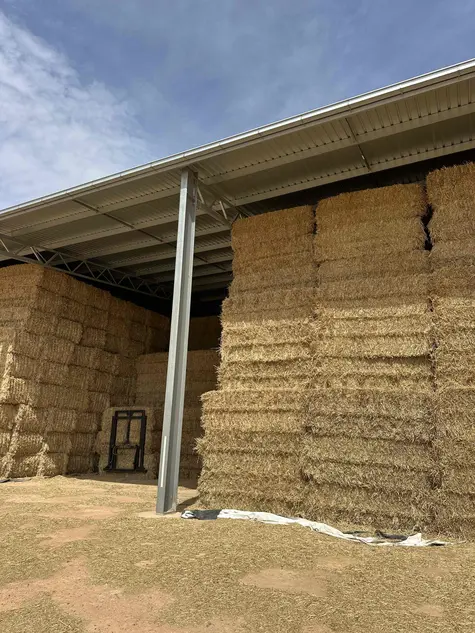


| Protein (CP) | 7.80 |
| Energy (ME) | 10.29 |

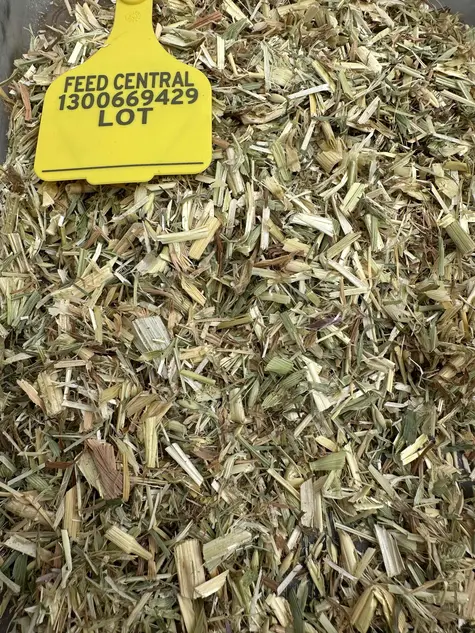
| Protein (CP) | 5.90 |
| Energy (ME) | 9.48 |
Mitton Transport is a locally owned and operated family business proudly based in the Northern Riverina.
With a versatile fleet and a wide selection of trailers, we provide reliable transport services across the region and beyond.
We specialise in:
• General freight
• Machinery transport
• Hay and wool
• Loads of almost any size or type
For dependable, professional service, contact Timmy today on 0439 267 645 or at [email protected].

| Protein (CP) | 8.90 |
| Energy (ME) | 9.73 |
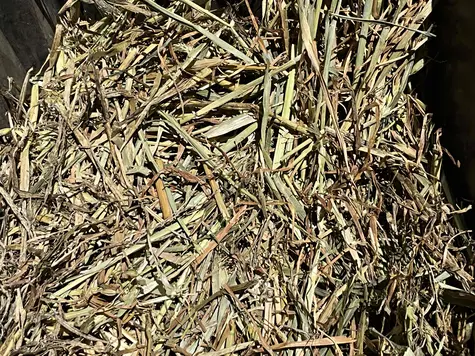

| Protein (CP) | 11.80 |
| Energy (ME) | 10.21 |
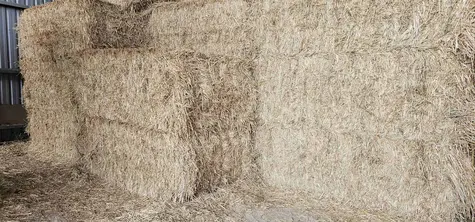
| Protein (CP) | 9.80 |
| Energy (ME) | 9.36 |
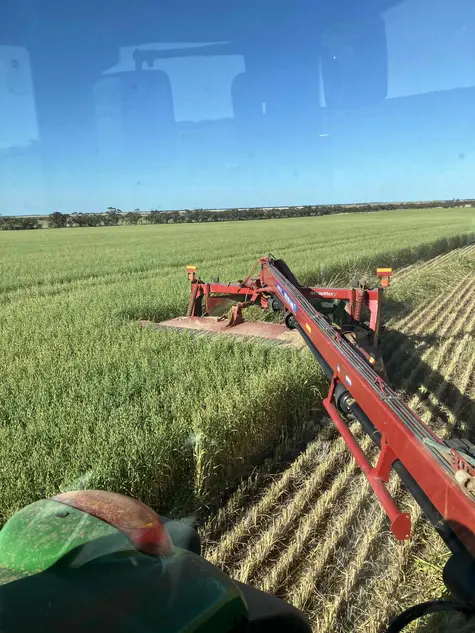
| Protein (CP) | 8.10 |
| Energy (ME) | 10.28 |

| Protein (CP) | 9.70 |
| Energy (ME) | 10.51 |
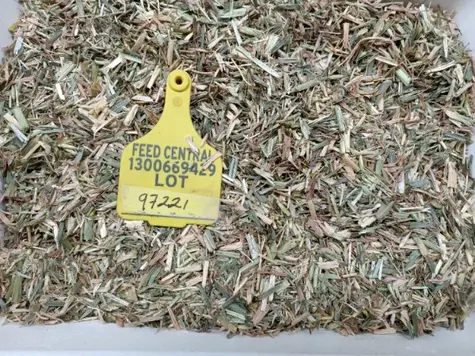
| Protein (CP) | 11.30 |
| Energy (ME) | 10.32 |
Looking for dependable freight services you can count on? We’ve got you covered with flexible options to suit your load.
Our Services:
✔ Hay Transport
✔ Single, B-Double & Road Train Services
✔ Farm Machinery Transport
✔ Earthmoving Machinery Transport
✔ Seed, Fertiliser & General Freight
Whether it’s a single load or ongoing contract work, we deliver with professionalism, care & efficiency.
Contact us for competitive rates & dependable service on 0427 088 274 or [email protected].

| Protein (CP) | 4.60 |
| Energy (ME) | 8.36 |

| Protein (CP) | 10.10 |
| Energy (ME) | 9.76 |
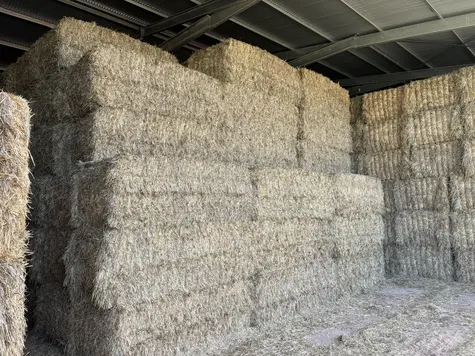
| Protein (CP) | 8.90 |
| Energy (ME) | 10.76 |
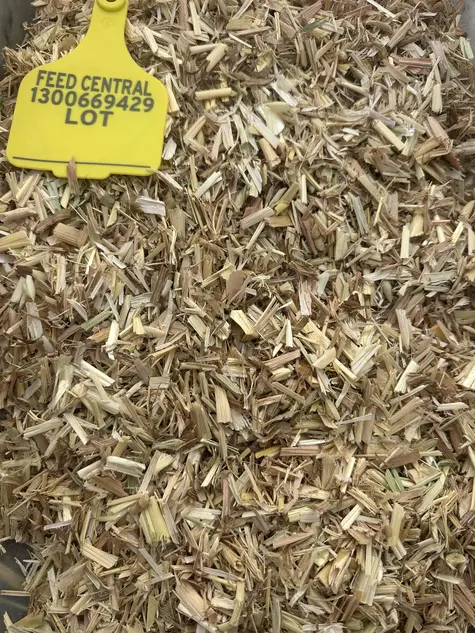
| Protein (CP) | 5.60 |
| Energy (ME) | 9.25 |
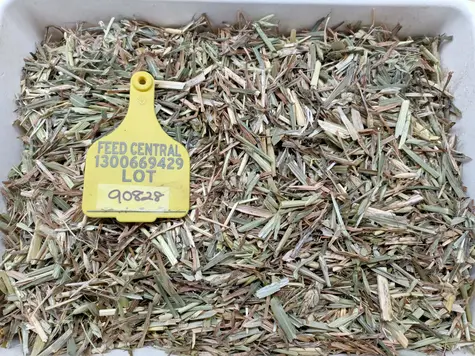
| Protein (CP) | 10.10 |
| Energy (ME) | 11.07 |


| Protein (CP) | 8.60 |
| Energy (ME) | 8.04 |
Proudly Aussie owned and operated.
Whether you’re guiding a bull-catcher, running panel yards, catching a barra, swinging spanners or just getting shit done, the Yowy Watercan has your back.
Available in 6L and 3L sizes, Yowy Watercans feature:
• A practical square shape
• A rubber base to help stop rolling and sliding
• Easy storage in the ute, tractor cab, or workshop
• Tough, reliable construction for everyday use
Built for work, weekends and everything in between.
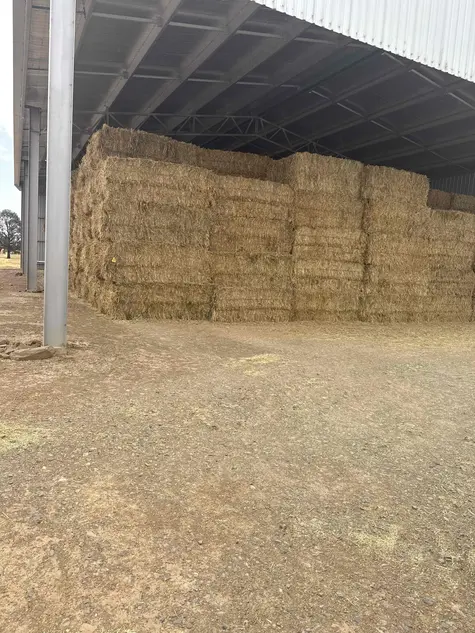
| Protein (CP) | 9.80 |
| Energy (ME) | 9.35 |
OATEN HAY
A Key Feed for Livestock in Australia
Oaten hay is one of the most common types of cereal hay used for livestock feed in Australia. It’s a key component of the country’s hay exports, with significant production in Victoria, South Australia, and New South Wales. Oaten hay is valued for its high fibre, energy, and protein content, making it an excellent feed choice for cattle, sheep, and other livestock.
What is Oaten Hay?
Oaten hay is made from the grass species Avena sativa (oats) and is harvested at various stages of maturity, depending on its intended use. It’s typically cut and baled while the plant is still in its early stages of seed development to preserve nutrients. Later-maturity hay may contain grain, which can boost nutrient levels but may also attract rodents during storage.
Nutritional Value of Oaten Hay
- Crude Protein (CP): Typically ranges between 6% and 11%, depending on the stage of maturity. Early-cut hay generally has higher protein levels than late-cut hay.
- Neutral Detergent Fibre (NDF): The NDF content usually ranges from 50% to 75%. The higher the NDF, the less digestible the hay becomes, but it’s still a valuable source of roughage for livestock.
- Metabolizable Energy (ME): Oaten hay generally offers an ME of 6-9%, providing a solid energy source for cattle and other ruminants.
Visual Grading and Quality
The visual quality of oaten hay is crucial for determining its palatability and nutritional value. High-quality hay should be:
- Green to golden in colour.
- Free from dust, mould, or pests.
- Soft and sweet-smelling.
Poor-quality hay may be brown, musty, or brittle, with thick stems and foreign materials, which can increase waste.
Best Time for Harvesting Oaten Hay
The best time to harvest oaten hay is during early flowering, before the seeds have developed. This stage ensures the hay has the highest nutrient retention. As the plant matures and enters the milky dough stage, the nutrient value starts to decline.
Storage and Handling
Proper storage of oaten hay is essential to maintain its quality. Hay should be kept in a dry, well-ventilated area to prevent mould and moisture build-up. Improper storage can lead to a loss of nutritional value and increase the risk of fire.
Frequently Asked Questions about Oaten Hay
Q. What is a normal level of Neutral Detergent Fibre (NDF) for Oaten Hay?
A. NDF for oaten hay typically ranges from 45% to 79%, depending on its maturity and growing conditions.
Q. What is the usual range in Crude Protein for Oaten Hay?
A. Crude protein in oaten hay usually ranges from 2% to 12%, with early-cut hay offering higher protein content.
Q. How is the Crude Protein affected by harvest maturity?
A. Protein content is highest at early flowering (8-12%), but declines as the plant matures. Late-cut hay may have protein levels under 7%.
Q. What is something special about Oaten Hay?
A. Oaten hay contains silica, which supports healthy bones and joints in cattle, and is thought to improve the quality of milk and beef.
Explore More Subcategories
General Questions
Is oaten hay good for horses?
Yes, oaten hay is Australia's most popular horse hay and for good reason. It is palatable, horses eat it readily, and it provides a good balance of fibre, energy, and moderate protein that suits most horses in everyday work.
The fibre content supports healthy gut function, which is important for horses that are stabled or have limited access to pasture. Oaten hay keeps the digestive system moving and helps prevent issues like colic and gastric ulcers that can develop when horses go without sufficient roughage.
For horses in light to moderate work, oaten hay can form the bulk of the diet with minimal supplementation needed. For horses doing harder work or with higher protein demands, it is commonly paired with lucerne hay to lift the protein content of the ration without overloading on energy.
Look for equine quality oaten hay, which is awnless and cut at the right growth stage. This is what the market considers purpose-grown horse hay rather than a general livestock cereal hay.
What is oaten hay?
Oaten hay is made from oat plants that are cut and baled before the grain reaches full maturity. At that stage the plant still holds good leaf content, energy, and fibre, making it a nutritious livestock feed rather than a crop byproduct.
It is one of Australia's three main cereal hays alongside wheaten hay and barley hay, and it is produced across southern and western Australia wherever oats are grown. Oaten hay is the most widely traded cereal hay in the country and is used for horses, cattle, and sheep across all states.
Browse oaten hay listings on LocalAg's Hay and Fodder page to see what is available near you.
What is the nutritional value of oaten hay?
Oaten hay is a moderate energy, moderate protein, high fibre feed. Typical values on a dry matter basis:
- Crude Protein (CP): 7 to 12%, depending on when the crop was cut and seasonal conditions. Earlier cuts produce higher protein.
- Metabolisable Energy (ME): 8 to 10 MJ/kg DM, which is in the mid-range for a grass hay.
- Acid Detergent Fibre (ADF): typically 35 to 45%, reflecting its value as a roughage source.
- Moisture: should be below 14 to 15% in well-stored hay.
Oaten hay sits in a similar nutritional range to wheaten hay, with slightly higher energy in most comparisons. It falls well short of the legume hays on protein. Lucerne typically comes in at 18 to 25% CP and vetch hay at 16 to 22% CP, which puts them in a different category when protein is the primary requirement.
Nutritional values vary between loads and seasons. Always ask for a Feed Central NIR feed test result before committing to a large purchase. Independent testing can also be arranged through our Testing service.
Is oaten hay good for cattle?
Yes. Oaten hay is a practical and cost-effective feed for cattle and is used widely across Australian beef and dairy operations.
For beef cattle on maintenance or growing rations, oaten hay provides solid energy and fibre. It suits dry cows, backgrounding cattle, and growing steers well. Paired with access to water and a mineral lick, it can carry cattle comfortably through dry periods.
For cattle with higher protein requirements such as weaners, cows in late pregnancy, or animals being flushed before joining, oaten hay alone will not provide enough protein. In those situations adding lucerne, vetch hay, or supplementing with grain makes a meaningful difference to condition and production.
For dairy cattle, oaten hay works well as a fibre component within a total mixed ration but is typically used alongside higher-protein feeds rather than as the sole feed.
Is oaten hay suitable for sheep?
Yes. Oaten hay is one of the most commonly used feeds for sheep across southern Australia.
For dry ewes and wethers on maintenance, oaten hay is well suited. It provides adequate fibre and energy to hold condition through dry or drought periods and is generally one of the more affordable options.
For ewes pre-lambing and lactating, oaten hay alone will not meet the increased protein demands of late pregnancy and lactation. From around four to six weeks before lambing, mixing in lucerne or vetch hay makes a real difference to lamb birth weights, colostrum quality, and ewe condition post-lambing.
For weaner lambs, oaten hay provides good roughage and fibre but needs to be paired with a protein source to drive growth. For finishing lambs, it works well alongside grain as a roughage component in both paddock and feedlot finishing rations.
What is the difference between oaten hay and lucerne hay?
These are two very different feeds that serve different purposes in a livestock feeding program.
Protein is the most significant difference. Oaten hay sits between 7 and 12% crude protein. Lucerne hay typically comes in at 18 to 25% CP. For livestock with high protein demands, that gap matters considerably.
Energy is more comparable between the two, though lucerne is generally higher, particularly well-managed irrigated lucerne cut at the right stage.
Fibre is where oaten hay has the advantage. It is higher in ADF and NDF than lucerne, making it a better choice as a pure roughage source and for animals that need high fibre intake, including horses with sensitive digestive systems.
Calcium is much higher in lucerne. This is relevant for horses where calcium to phosphorus ratios need managing, and for dairy cows with high calcium demands around calving.
Cost is where oaten hay usually wins. It is typically considerably cheaper per tonne than lucerne, which makes it the more economical base feed for maintenance rations.
In practice many producers use both. Oaten hay provides bulk roughage and fibre while lucerne provides the protein top-up. This combination is common in sheep operations pre-lambing, horse stables, and dairy total mixed rations. For a full breakdown of the protein hay options, read Protein Hays and How They Compare.
What is the difference between oaten hay and wheaten hay?
Oaten hay and wheaten hay are closely related cereal hays and are often interchangeable in practice. The differences are real but not dramatic.
Energy: Oaten hay is generally slightly higher in metabolisable energy than wheaten hay. In most situations the difference is not significant enough to change a feeding program, but for horses in harder work or growing cattle it can add up over time.
Protein: Both sit in a similar range, 7 to 12% crude protein depending on cutting time and season. Neither is a high-protein hay on its own.
Awns: Both can have awn issues when cut late. Oaten hay has traditionally been more consistently available in awnless equine-specific form, which is one reason it dominates the horse market over wheaten hay.
Palatability: Both are well accepted by horses, cattle, and sheep. Most livestock will eat either without issue.
Availability and price: In southern and western Australia both are widely available. Wheaten hay is sometimes slightly cheaper per tonne, though this varies by season and region. The best way to compare is to look at delivered prices for both on LocalAg and see what stacks up better for your situation.
In practice, a good feed test result tells you more about what you are actually buying than the species name alone.
Is oaten hay fattening for horses?
Oaten hay has a reputation for being fattening, and it can be for horses that are easy keepers, in light work, or not being exercised regularly. The reason is not that oaten hay is exceptionally high in energy, but that horses tend to eat it very readily and will consume large quantities if it is available free choice.
For horses that hold weight easily, are spelling, or are in light work, feeding oaten hay ad lib can contribute to weight gain over time. In these cases, limiting the quantity fed or switching to a lower-energy hay option is worth considering.
For horses in moderate to hard work, oaten hay is generally not a problem. The energy it provides supports the demands of work and horses tend to maintain a healthy condition rather than gaining excess weight.
For horses that are genuinely overweight or have metabolic conditions like equine metabolic syndrome or insulin resistance, teff hay is a better option because of its very low non-structural carbohydrate content.
The simple answer is that oaten hay is not inherently fattening, but like any feed it needs to be matched to the horse's workload and condition. Feed to the horse in front of you and adjust quantities based on what you see.
How much oaten hay should I feed my horse per day?
As a starting point, horses need roughly 1.5 to 2% of their body weight in total dry matter per day from all feed sources combined. For a 500 kg horse, that is around 7.5 to 10 kg of dry matter per day.
If oaten hay is the primary or sole feed, a rough practical guide is:
- Small horses and ponies (300 to 400 kg): 4 to 7 kg of oaten hay per day
- Average horses (450 to 550 kg): 7 to 10 kg per day
- Large horses (600 kg+): 10 to 13 kg per day
These are guides, not fixed rules. The right amount depends on the horse's condition, workload, access to pasture, and what else they are being fed alongside the hay. A horse with good pasture access needs less hay than a stabled horse with no other feed source.
Horses in hard work may need additional feed beyond hay alone to meet their energy demands, often in the form of grain or a hard feed. Horses that are in light work, spelling, or prone to weight gain may need their hay ration restricted.
The best approach is to weigh your hay rather than estimate by the flake, as bale density varies considerably and you can easily under or overfeed without realising it. Monitor body condition regularly and adjust accordingly.
What is 'equine quality' oaten hay?
Equine quality oaten hay refers to oaten hay that has been produced and selected specifically for feeding horses, rather than general livestock use. There is no single industry-wide certification for the term, but in practice it typically means the hay meets a set of standards that horse owners prioritise.
Awnless: Equine quality oaten hay is grown from awnless oat varieties or cut early enough that awns have not developed. This avoids the risk of awn irritation to the mouth, throat, and digestive tract.
Correct cutting stage: Cut at late boot to early head emergence, before the grain develops significantly. This produces higher protein and energy content and better leaf retention.
Low weed content: Equine quality hay should be relatively free of weeds, particularly toxic species. Horses are selective feeders and can be more sensitive to certain weed species than cattle or sheep.
Low moisture: Properly cured and stored below 14 to 15% moisture to avoid mould. Mouldy hay can cause respiratory issues and colic in horses.
Clean smell and bright colour: No musty or ammonia odour, and a good green colour indicating proper curing and storage.
When browsing oaten hay listings on LocalAg, look for listings that specify equine quality or awnless, and prioritise those with Feed Central feed test results attached. Listings with a Quality Assured or Weed Safe badge have been assessed against verified standards.
Oaten hay for sale near me - where can I buy it?
Browse oaten hay listings on LocalAg and use the location filter to search within a practical distance from your property. Every listing shows bale type, quantity, ex-farm price, and an indicative delivered price so you can see the true cost before you contact a seller. All sellers are verified and all transactions go through CheckVault escrow.
If there are no listings near you right now, post a free Wanted Ad. Tell us what you need including quantity, bale type, and whether you need equine quality or awnless, and our team will find a verified supplier. We regularly match buyers with interstate sellers who can arrange freight when local supply is short.
When is oaten hay harvested in Australia?
Oaten hay follows the same broad seasonal pattern as other winter cereal hays across southern Australia.
Oats are typically sown from April to June across Victoria, South Australia, southern and central NSW, and the Western Australian wheatbelt. The crop is cut for hay from around September to November depending on the season, rainfall, and how early the crop was sown.
The ideal cutting window is around late boot to early head emergence, when the plant has maximum leaf content, good protein and energy levels, and awns are not yet developed. Cutting at this point produces the best balance of quality and yield.
New-season oaten hay typically starts appearing on the market from October onwards, with supply building through November and December as harvests are completed across different regions. Older-season stock from the previous year is often still available through winter and into the following spring, particularly in years with strong production.
If you are planning ahead for a dry season or want to lock in supply early, browse current listings to see what is available now or post a Wanted Ad to let sellers know your requirements and timeline.
How do I tell if oaten hay is good quality?
Get the feed test data first. The most reliable way to assess oaten hay quality is a NIR feed test result showing crude protein, metabolisable energy, fibre, and moisture content. On LocalAg, sellers can attach Feed Central feed test results directly to their listing. If no test is available and you are buying a significant volume, arrange independent testing before you commit.
Check the colour. Good oaten hay should be bright to mid-green. Yellow or golden colour means the hay has aged or been exposed to sunlight, which typically corresponds to some nutritional decline. Brown patches or heavy discolouration suggest rain damage or mould.
Smell it. Fresh oaten hay has a clean, dry, grassy smell. A musty or sour smell indicates mould. An ammonia smell means the hay has heated internally during storage, which is a serious issue.
Look at the leaf content. Hay cut at the right growth stage retains good leaf relative to stem. If you are looking at mostly coarse stem with little leaf, the crop was cut too late or the hay has been stored for a long time.
Check for weeds. Some weed content is common but excessive weeds reduce feed value and can introduce problem species to your property and livestock. Listings with a Weed Safe badge on LocalAg have been assessed against verified standards.
Ask about moisture at baling. Hay baled above 15% moisture is a storage risk. It can heat internally and in serious cases cause fires. If you are buying a large volume to store for several months, confirm moisture content and read our storage guidance in Preparing for Drought: Feed Storage and Water Planning Tips.