

Filter

Hay & Fodder
Showing 6 Results
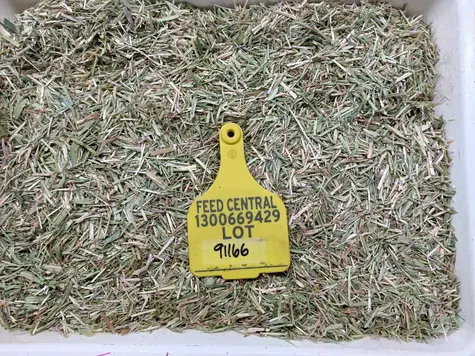

| Protein (CP) | 9.50 |
| Energy (ME) | 10.23 |

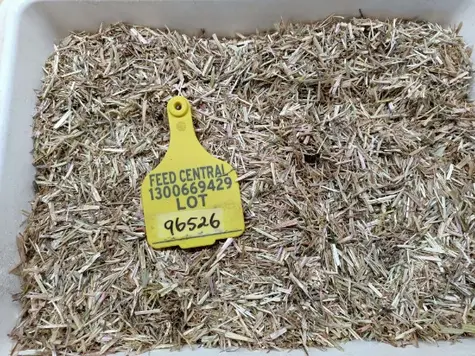

| Protein (CP) | 6.70 |
| Energy (ME) | 9.71 |
Looking for dependable freight services you can count on? We’ve got you covered with flexible options to suit your load.
Our Services:
✔ Hay Transport
✔ Single, B-Double & Road Train Services
✔ Farm Machinery Transport
✔ Earthmoving Machinery Transport
✔ Seed, Fertiliser & General Freight
Whether it’s a single load or ongoing contract work, we deliver with professionalism, care & efficiency.
Contact us for competitive rates & dependable service on 0427 088 274 or [email protected].
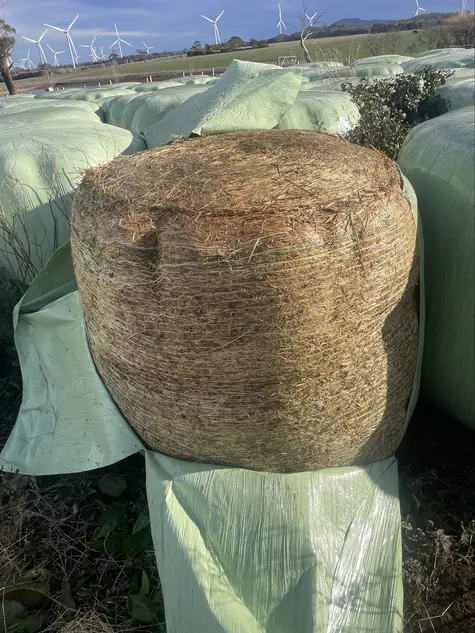
| Protein (CP) | 10.60 |
| Energy (ME) | 10.50 |

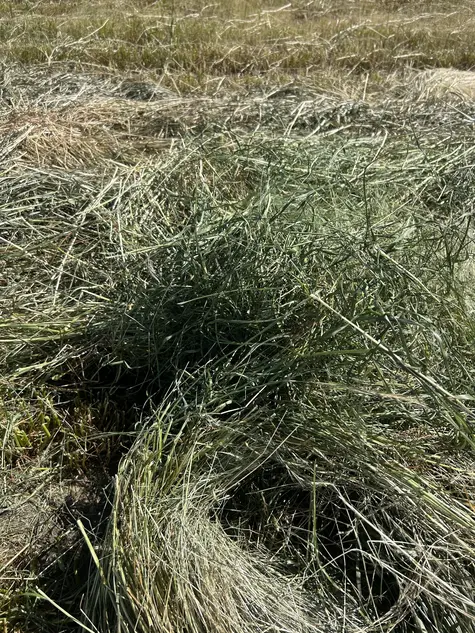
| Protein (CP) | 15.30 |
| Energy (ME) | 10.28 |
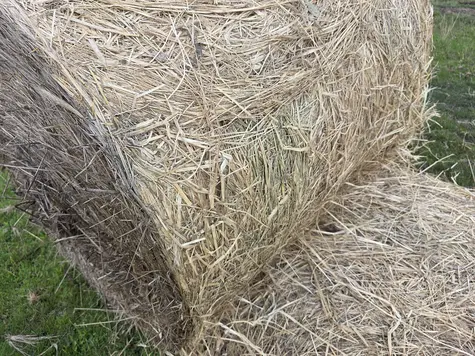
HAY & FODDER
Hay and fodder are essential for maintaining consistent feed supplies during Australia’s dry and cold months. Commonly used on farms, options like hay bales and silage provide reliable nutrition for livestock across various operations. These livestock feed options are particularly useful for complementing pastures or serving as a primary feed source when grazing is limited.
Popular varieties include oaten, lucerne, and mixed grasses, each suited to different livestock and feeding needs. Across our hay categories, you’ll find many varieties of bales of hay for sale, catering to both large operations and smaller quantities. Silage is another practical choice, offering excellent nutrient preservation, particularly in intensive feeding systems. Fodder supplies, including hay and silage, are relied upon to support operations year-round.
Whether you’re preparing for seasonal changes or expanding your feed options, hay and fodder form the base of many livestock feed rations.
Explore More Subcategories
General Questions
What is rye grass hay?
Rye grass hay is made from ryegrass plants that are cut and baled at the right growth stage to produce a palatable, nutritious livestock feed. In Australia, the two main species used for rye grass hay production are annual ryegrass (Lolium rigidum) and perennial ryegrass (Lolium perenne), both of which are widely sown as pasture grasses across southern Australia.
Ryegrass is a cool-season grass that thrives in the higher-rainfall and irrigated zones of Victoria, South Australia, Tasmania, and southern NSW. It is one of the most productive and palatable of the cool-season grass species, which is why it dominates permanent pastures and hay production in those regions.
As a hay product, rye grass hay is valued for its palatability, its reasonable energy content for a grass hay, and the fact that it is widely produced across southern Australia in areas where many livestock producers are already familiar with ryegrass as a pasture plant. It is used for horses, dairy cattle, sheep, and beef cattle and is one of the more commonly available grass hay types in the southern states.
Browse hay and fodder listings on LocalAg to see current rye grass hay availability near you. If you cannot find it listed in your area, post a free Wanted Ad and our team will find a verified supplier.
Is rye grass hay good for horses?
Rye grass hay can be a good option for horses in southern Australia and is used by many horse owners in regions where it is locally produced and readily available. However, there are two specific considerations that horse owners need to be aware of before feeding it.
Ryegrass staggers is the main concern. Perennial ryegrass can harbour an endophyte fungus (Neotyphodium lolii) that produces alkaloids which cause ryegrass staggers in horses. The condition involves incoordination, muscle tremors, and in severe cases falling. It is primarily associated with grazing affected pastures during certain seasons, particularly when endophyte levels are high, but the same alkaloids can be present in hay made from infected ryegrass. The risk from hay is generally lower than from fresh pasture because the curing process reduces alkaloid levels, but it is not eliminated entirely. Ask the seller whether the hay comes from a high-endophyte or low-endophyte variety, and if you are buying ryegrass hay from a region known for endophyte issues, discuss with your vet before feeding it in large quantities.
NSC content is the second consideration for metabolic horses. Cool-season grasses including ryegrass can be higher in sugar at certain times of year, particularly in spring and after stress events like frost. For horses with laminitis, insulin resistance, or equine metabolic syndrome, ryegrass hay should be tested for NSC content before feeding, or a lower-NSC option like teff hay should be used instead.
For horses without metabolic conditions and in regions where low-endophyte ryegrass varieties are common, rye grass hay is a palatable and nutritious everyday hay that most horses eat readily.
Is rye grass hay good for dairy cows?
Yes. Rye grass hay is well suited to dairy cows and has a long history of use in Australian dairy systems, particularly in Victoria and South Australia where ryegrass-based pastures are the foundation of most dairy farms.
Dairy cows are already highly familiar with ryegrass as a pasture feed, which means rye grass hay is accepted readily without the adjustment period that can occur with less familiar feeds. The palatability is good and cows eat it keenly.
In terms of nutritional value, rye grass hay provides moderate energy and protein alongside good fibre content. It works well as a roughage component in a total mixed ration alongside higher-protein feeds like lucerne hay and silage. For high-producing cows in early lactation where protein and energy demands are at their peak, rye grass hay alone is not adequate, but as a fibre source within a balanced TMR it is a practical and cost-effective component.
For dairy operations in southern Australia, locally produced rye grass hay is often more economical than freighting cereal hays from other regions, and the familiarity of the feed to both cows and farm managers is a practical advantage.
Is rye grass hay suitable for sheep?
Yes. Rye grass hay is a practical and widely used feed for sheep across southern Australia, particularly in Victoria, South Australia, and southern NSW where ryegrass-based pastures are common.
For dry ewes and wethers on maintenance, rye grass hay is well suited. It provides adequate fibre and energy for sheep in reasonable condition that need to be carried through a dry period, and it is generally palatable and accepted readily.
For ewes pre-lambing and lactating, rye grass hay alone will not meet the elevated protein demands of late pregnancy and early lactation. From around four to six weeks before lambing, mixing in lucerne or vetch hay to lift the protein content of the ration makes a meaningful difference to lamb birth weights, colostrum quality, and ewe condition post-lambing.
For weaner lambs, rye grass hay needs to be paired with a protein source. Weaners have high protein requirements relative to body weight and a moderate-protein grass hay alone will not drive the growth rates needed in the weaning period.
For finishing lambs, rye grass hay works well as a roughage component alongside grain in paddock or feedlot finishing rations.
One consideration for sheep: ryegrass staggers can affect sheep as well as horses, though sheep tend to be somewhat more tolerant than horses. In regions or seasons where endophyte levels are known to be high in perennial ryegrass, monitor sheep for any signs of incoordination when introducing rye grass hay.
What is the difference between rye grass hay and pasture hay?
The distinction is worth understanding when you are comparing listings and trying to work out what you are actually buying.
Rye grass hay is made from stands that are predominantly ryegrass, either annual or perennial. The species composition is relatively defined and you know the primary plant you are getting. This gives rye grass hay more predictable nutritional characteristics than a generic mixed pasture hay.
Pasture hay is a broader term covering hay cut from mixed pasture stands, which may contain a combination of grasses, legumes, and broadleaf species. In southern Australia, many pasture hays do contain significant ryegrass content alongside clovers, phalaris, and other species. The key difference is that pasture hay's composition is less defined. A pasture hay from a sub clover and ryegrass mix will have meaningfully higher protein than a pure ryegrass hay because of the legume content. See pasture hay listings here.
In practical terms, if you are buying pasture hay from southern Australia there is a reasonable chance it contains significant ryegrass. But you should ask the seller about species composition and request a feed test result rather than assuming anything about what is in the bale based on the label alone.
How does rye grass hay compare to oaten hay?
Rye grass hay and oaten hay are both cool-season grass hays widely used in southern Australia and are often considered alongside each other by buyers in Victoria, SA, and southern NSW. Here is how they compare across the key factors.
Protein: Both sit in a similar moderate protein range, typically 8 to 14% crude protein for rye grass hay and 7 to 12% for oaten hay. The ranges overlap and the specific load's feed test result matters more than the species name.
Energy: Rye grass hay can be comparable to or slightly higher in metabolisable energy than oaten hay, particularly leafy early-cut perennial ryegrass hay from a well-managed stand. However, oaten hay is generally considered a reliable energy source and the difference in most comparisons is not dramatic.
NSC content: Cool-season grasses including ryegrass can be higher in sugar than oaten hay in certain conditions, particularly in spring and cold weather. For horses with metabolic sensitivities, oaten hay typically carries a more manageable NSC profile than ryegrass hay, though both should be tested for metabolic horses.
Endophyte risk: Oaten hay carries no endophyte risk. Perennial ryegrass hay from high-endophyte varieties does. For horse owners particularly, this is a meaningful practical difference.
Availability: Oaten hay is produced at large scale across southern and western Australia and is the most widely traded cereal hay in the country. Rye grass hay production is more concentrated in higher-rainfall southern zones and is less consistently available across all regions.
Cost: Both are generally in a similar price range for a grass hay, though this varies by region and season.
For most livestock feeding purposes, the two are interchangeable when quality is equivalent. For equine buyers in southern Australia, the endophyte consideration makes it worth confirming the ryegrass variety before choosing rye grass hay over oaten hay.
What states produce rye grass hay in Australia?
Rye grass hay production follows the distribution of ryegrass-based pastures, which are concentrated in the cooler, higher-rainfall zones of southern Australia.
Victoria is the largest producer of rye grass hay in Australia. Ryegrass-based pastures dominate the permanent grazing country of the Western District, Gippsland, and the irrigated areas of northern Victoria. The combination of reliable rainfall, established ryegrass pastures, and large dairy and sheep industries creates significant demand and supply of rye grass hay in this state.
South Australia produces rye grass hay in the higher-rainfall zones of the south-east, Adelaide Hills, and Kangaroo Island. The south-east of SA in particular has significant permanent ryegrass pasture area and produces hay for both local use and export.
Tasmania has ideal conditions for ryegrass growth and produces rye grass hay across the midlands and northern regions. Tasmanian rye grass hay has a good reputation for quality.
Southern NSW including the Monaro, tablelands, and southern slopes produces rye grass hay in areas with sufficient rainfall. Volumes are smaller than Victoria and SA.
Western Australia produces rye grass hay in the higher-rainfall south-west, though annual ryegrass rather than perennial ryegrass dominates many WA pastures.
Buyers in Queensland and the Northern Territory will almost always need to source rye grass hay from southern states and factor interstate freight into the cost.
Rye grass hay for sale in Australia - where to buy?
Browse rye grass listings on LocalAg and use the location filter to search within a practical distance from your property. Every listing shows bale type, quantity, ex-farm price, and an indicative delivered price so you can compare the true cost before you contact a seller. All sellers are verified and transactions go through CheckVault escrow.
If there are no rye grass hay listings near you right now, post a free Wanted Ad on LocalAg. Tell us what you need including quantity, bale type, and whether you have specific requirements such as low-endophyte variety for horses or a feed test result, and our team will find a verified supplier. Buyers in northern states looking for rye grass hay from Victoria or SA can also use the Wanted Ad to connect with producers who can arrange interstate freight.
What is the nutritional value of rye grass hay?
Rye grass hay is a moderate energy, moderate protein, high fibre grass hay. Typical values on a dry matter basis:
- Crude Protein (CP): 8 to 14%, depending on species, cutting stage, and season. Early-cut perennial ryegrass hay from a well-managed, fertilised stand tends toward the upper end. Annual ryegrass hay and later-cut material sits lower.
- Metabolisable Energy (ME): 8.5 to 10.5 MJ/kg DM, which is in the moderate to good range for a grass hay and comparable to or slightly above oaten hay in many comparisons.
- Fibre (NDF): moderate to high, reflecting its value as a roughage source for ruminants and horses.
- NSC: variable, typically 10 to 18% but can be higher in spring or cool conditions. For metabolic horses, always request an NSC test result specifically. Arrange testing through our Testing service if the seller does not have current results.
- Moisture: should be below 14 to 15% in well-stored hay.
Rye grass hay sits in a similar nutritional range to oaten hay with some variability depending on variety and season. It falls well short of the legume hays on protein. Lucerne at 18 to 25% CP and vetch hay at 16 to 22% CP are in a different category for situations where protein is the primary driver of livestock production outcomes.