Filter

Hay & Fodder
Showing 43 Results


An Australian-designed and made hay monitor built for accurate, real-time readings, day or night.
• Two sensors placed directly in or on the windrow
• Measures humidity and temperature where the hay actually is
• Direct SMS alerts—no app or data connection required
• New GPS location tracking and software-calibrated accuracy
• Optional Wi-Fi, app access, charts and data logging
• LED light for easy visibility at night
• Simple standalone operation available—no added complexity
Read more
An Australian-designed and made hay monitor built for accurate, real-time readings, day or night.
• Two sensors placed directly in or on the windrow
• Measures humidity and temperature where the hay actually is
• Direct SMS alerts—no app or data connection required
• New GPS location tracking and software-calibrated accuracy
• Optional Wi-Fi, app access, charts and data logging
• LED light for easy visibility at night
• Simple standalone operation available—no added complexity
Unlike weather stations located kilometres away, BaleTime measures ground-level conditions in your windrow. Also available as a flood irrigation water monitor or combination hay and water unit.


Murphy’s Agriculture Services offers reliable contract windrowing and baling with quality equipment and experienced operators.
Services include:
- 40ft windrowing
- Mower conditioners
- Krone HDP2 balers
- Bale stacking
Competitive rates, professional service and proven results.
Call 0400 990 239 for all of your windrowing and baling needs.

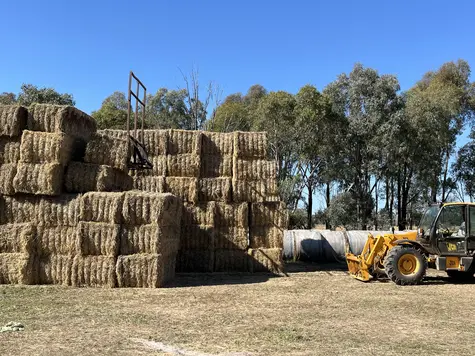
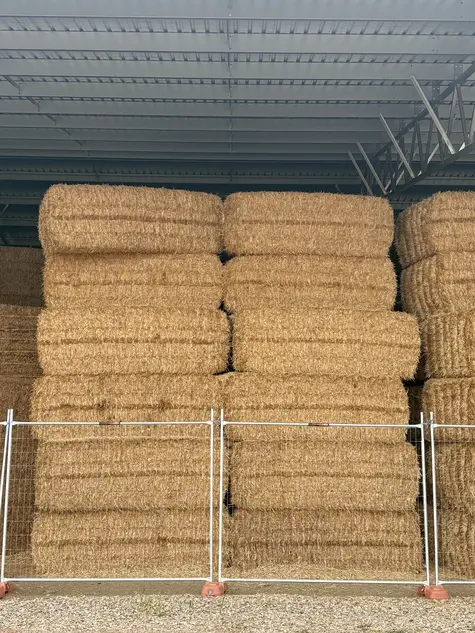
Looking for dependable freight services you can count on? We’ve got you covered with flexible options to suit your load.
Our Services:
✔ Hay Transport
✔ Single, B-Double & Road Train Services
✔ Farm Machinery Transport
✔ Earthmoving Machinery Transport
✔ Seed, Fertiliser & General Freight
Whether it’s a single load or ongoing contract work, we deliver with professionalism, care & efficiency.
Contact us for competitive rates & dependable service on 0427 088 274 or [email protected].
| Protein (CP) | 3.80 |
| Energy (ME) | 5.40 |
STRAW
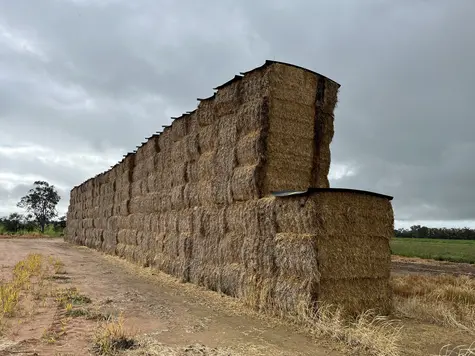
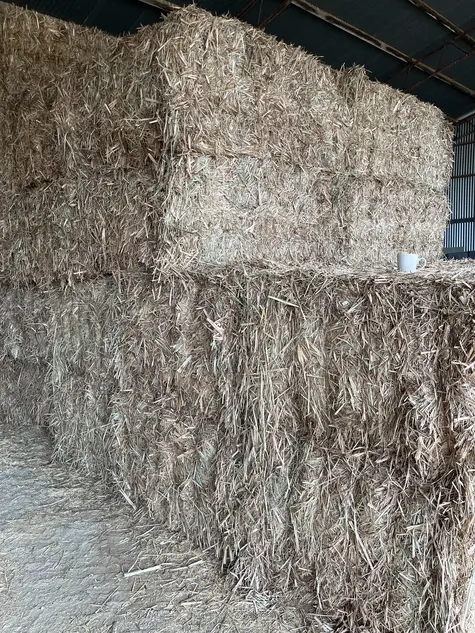
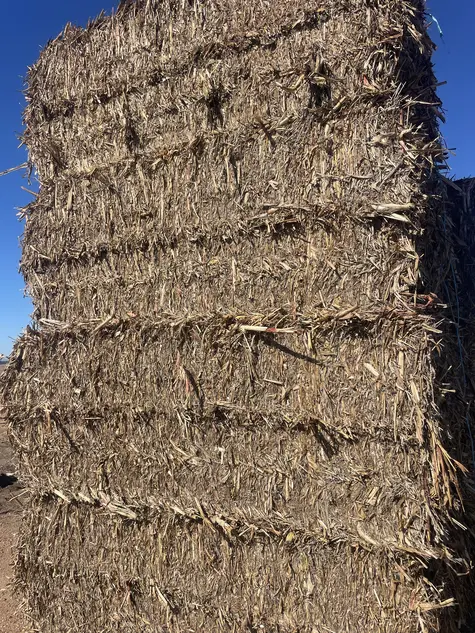
Buy straw and stubble from verified sellers across Australia. Straw is the low-cost, high-fibre by-product of grain harvest, the dry cereal stalks left after crops like wheat, barley, oats, rice and canola are taken off, and it's one of the most versatile products on the farm. Whether you need clean, absorbent bedding for cattle, horses or poultry, a cheap roughage source to stretch feed through winter or drought, or pea and cereal straw for garden mulch, erosion control and landscaping, you'll find it here in small squares, large squares and rounds. Compare ex-farm and delivered prices, check bale weights and quality, and buy safely with secure payment. Can't find what you need? Post a free Wanted Ad and let sellers come to you.
Explore More Subcategories
General Questions
What is straw and how is it different from hay?
Straw and hay look similar in a bale but they are very different products. Hay is a whole forage crop such as pasture, cereal or legume, cut and dried while it is still green and nutritious, so it is grown to be eaten. Straw is the dry, hollow stalk left over after a cereal crop like wheat, barley, oats, rice or canola has been harvested for grain. The grain and most of the leaf are gone, so straw is mainly fibre with low protein and low energy.
In practical terms that means straw is a cheap source of bulk and gut fill. It is ideal for bedding, mulch, erosion control, and as a roughage supplement or drought filler for livestock, but it is not a complete feed on its own. If you are looking to actually feed animals for production you usually want hay or silage. If you want bedding, mulch or low-cost roughage, straw is your product.
What is the difference between straw and stubble?
They come from the same crop but describe different things. Straw is the residue that has been baled and carted off the paddock after harvest. Stubble is the crop residue left standing or lying in the paddock, which livestock graze where it lies, often with spilled grain still on the ground. Stubble bales on LocalAg are simply baled crop residue, which is effectively the same product as cereal straw, sometimes with a bit more leaf and spilled grain than clean straw. If you are buying baled product to cart away, the words straw and stubble are used more or less interchangeably. If a seller is offering stubble grazing, meaning you run your stock on their harvested paddock, that is a grazing arrangement rather than a bale purchase.
How much does straw cost per tonne in Australia?
Straw is usually the cheapest fodder you can buy because it is a by-product of grain harvest. As a rough guide, before freight and ex-farm:
- Cereal straw such as wheaten, barley and oaten runs around $40 to $120 a tonne in a normal season.
- Pea straw runs about $80 to $180 a tonne, higher because it is popular as a premium garden mulch and holds a bit more feed value.
- Canola straw runs about $40 to $100 a tonne. It is bulky and coarse, and mostly used for roughage, bedding and erosion control.
- Rice straw runs about $40 to $110 a tonne. It has low feed value and is common for bedding, mushroom growing and mulch.
Prices climb sharply in drought years, when straw is in demand as a roughage extender and can trade at $150 to $250 a tonne or more. Freight often costs more than the straw itself, so always compare the delivered price, not just the ex-farm figure. LocalAg listings show the ex-farm price and, where available, an indicative delivered figure.
What types of straw can I buy?
The most common straws on the Australian market are:
- Wheaten straw, the most widely available, and a good all-rounder for bedding and bulk roughage.
- Barley straw, similar to wheaten, but the awns (barbs) can irritate eyes and mouths, so check it has been processed or is awnless if you are feeding it.
- Oaten straw, generally the most palatable cereal straw with slightly higher feed value, so it is often preferred as a roughage feed.
- Pea straw, the gardener's favourite, which breaks down well as mulch and adds a little nitrogen. It also makes good bedding.
- Canola straw, which is coarse and bulky, and suits roughage, bedding and erosion control.
- Rice straw, plentiful in irrigation districts, and used for bedding, mushroom substrate and mulch.
- Lucerne and legume straw, the stalky residue after seed harvest, which carries more feed value than cereal straw.
What is straw used for?
Straw is one of the most useful products on the farm. The main uses are:
- Animal bedding that is clean, absorbent and cheap for cattle, horses, sheep, pigs, poultry and pets.
- Roughage or gut fill for livestock, being a low-cost fibre source to stretch feed budgets, especially in drought, fed alongside a protein and energy source.
- Garden mulch, where pea straw and sugarcane straw suppress weeds, hold moisture and improve the soil as they break down.
- Erosion control and revegetation, where spread or crimped straw protects bare soil and new seedlings.
- Compost and mushroom growing, being a carbon-rich brown for composting and a base substrate for mushrooms.
- Landscaping, construction and events, covering weed matting, strawbale gardens, and display or seating bales.
Can I feed straw to cattle, sheep or horses?
Yes, but with one important point to keep in mind: straw is a filler, not a complete feed. It is high in fibre but low in protein, often only 3 to 5 per cent crude protein, and low in energy, so animals cannot hold condition or keep producing on straw alone. Used properly it is an excellent, cheap way to do two jobs. First, it provides effective fibre in high-grain or lush-pasture diets to keep the rumen working, which reduces acidosis and scouring. Second, it stretches feed in drought as a roughage base, as long as you balance it with a protein and energy source such as lucerne hay, grain, or a protein supplement or lick.
A few tips from experience: introduce it gradually, always provide plenty of clean water because high-fibre diets increase water needs, avoid awned barley straw with horses and around eyes, and consider a feed test so you can balance the ration accurately. For higher roughage value with more nutrition, compare straw against cereal hay.
Which straw is best for garden mulch?
Pea straw and sugarcane straw or mulch are the two favourites for Australian gardens because they break down into the soil, add organic matter, and in pea straw's case a little nitrogen. Wheaten and barley straw also work well and are usually cheaper, but they can carry cereal seeds that sprout in the bed, so look for straw described as seed-free or well-threshed, or use it in paths and under a top layer. A few things to check before you buy straw for the garden:
- Herbicide residue. Some broadleaf herbicides can persist in straw and damage sensitive vegetables, so ask the seller about spray history if you grow food crops.
- Weed seeds. Ask whether it is weed-tested or weed-safe.
- Bale type. Small squares are easiest to hand-spread in a home garden, while rounds suit large areas.
What straw makes the best animal bedding?
For bedding you want straw that is clean, dry, dust-free and absorbent. Wheaten and oaten straw are the classic choices because they are soft, long-stemmed and comfortable. Barley straw is fine for bedding, but watch the awns with horses. Rice straw is very absorbent and popular in irrigation regions. Whatever the type, the priorities are the same: no mould or musty smell, which is a health risk in enclosed sheds and stables, low dust, and a fair bale weight for the price. Chopped straw beds down faster and composts more easily if you are mucking out regularly.
Is stubble grazing safe for livestock, and what should I watch for?
Grazing harvested crop stubbles is a cheap, valuable feed source, because stock clean up spilled grain and green pick, but there are real risks to manage:
- Grain overload or acidosis. Heavy spilled grain, especially wheat and barley, can cause grain poisoning when stock first go in, so introduce animals gradually and consider a buffer.
- Nitrate poisoning. Drought-stressed or heavily fertilised cereal and canola residues can build up nitrate, so test suspect paddocks before grazing.
- Lupinosis and mycotoxins. Weathered lupin and some other stubbles can carry fungal toxins.
- Low protein. Dry stubble is low in protein, so growing or lactating stock usually need a protein supplement to keep performing.
If in doubt, get a feed or nitrate test and introduce stock slowly. This applies to grazing stubble in the paddock. Baled straw and stubble carries the grain-overload and mould risks, but not the standing-crop nitrate risk to the same degree.
How is straw baled and sold: small squares, big squares or rounds?
Straw is sold in the same three bale formats as hay, and the right one depends on how you will handle it:
- Small square bales, around 15 to 25 kg, are hand-carried and ideal for gardens, stables, pets, small hobby farms and anyone without machinery.
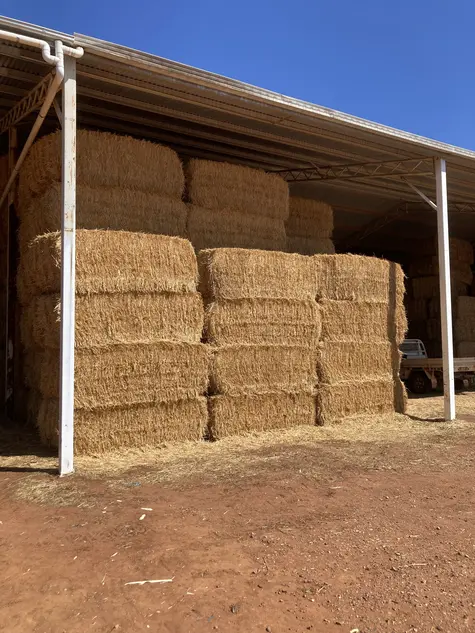
- Large square bales, around 350 to 600 kg, are dense and stackable and give the best value per tonne for transport and big operations, but need a tractor or telehandler.
- Round bales, around 250 to 450 kg, shed rain better if stored outside, and are common for on-farm bedding and roughage.
Because straw is light and bulky, you are often paying for volume as much as weight, so big squares usually give the best value once freight is factored in.
How do I check straw quality before buying?
Even though straw is a low-value product, quality still matters, especially for bedding and feeding. Look for:
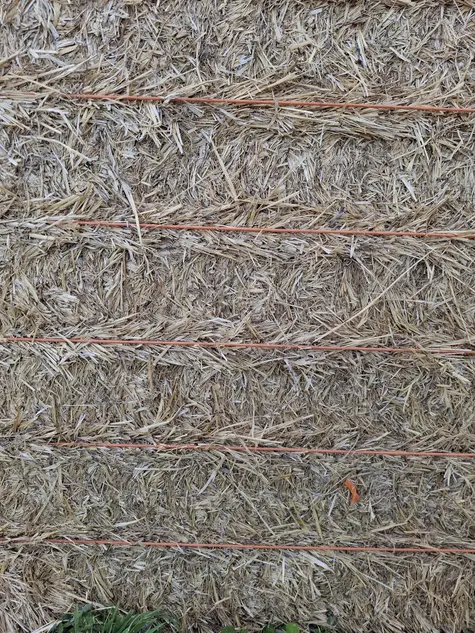
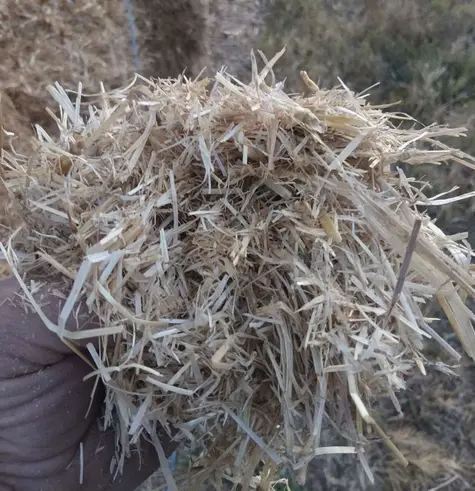
- Colour and smell. Bright gold, fresh-smelling straw is good. Grey, black, musty or dusty straw signals mould or weather damage and should be avoided in stables and feed.
- Moisture. Straw baled too wet will heat, mould and even risk fire, so it should feel dry and crisp.
- Contamination. Check for weed seeds and wire, and for gardens ask about herbicide spray history.
- Feed test. If you are feeding it as roughage, a NIR feed test showing crude protein, energy and fibre lets you balance the ration properly.
Ask the seller for photos, bale weights, and where relevant a feed or weed test, before you commit.
How do I buy straw safely online in Australia?
Buy through a verified agricultural marketplace rather than generic classifieds or social media, where fodder scams are common. Protect yourself by:
- Using escrow or secure payment rather than sending a deposit by PayID or bank transfer to someone you don't know.
- Being wary of prices well below market, sellers who won't take a call, and pressure to pay quickly.
- Asking for photos, bale weights and location, plus a feed or weed test where relevant.
- Posting a Wanted Ad so verified sellers come to you.
See our blog on avoiding hay and fodder scams for the current red flags.
How should I store straw once I buy it?
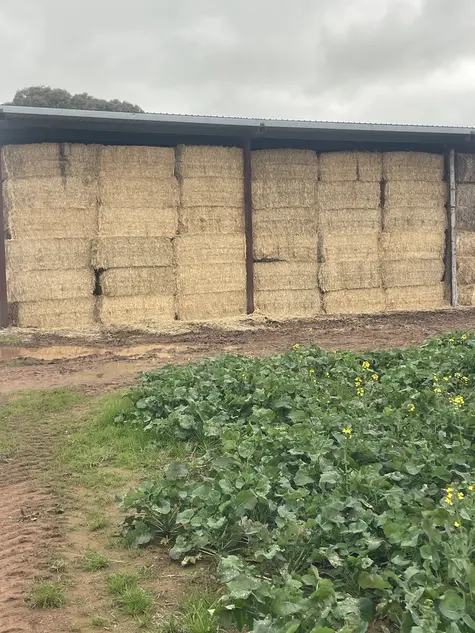
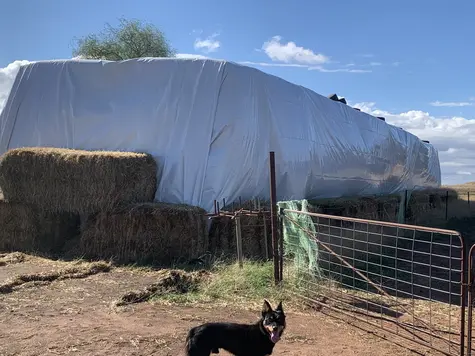
Keep straw dry and off the ground. Ideally store it under a roof or tarp on pallets or a gravel pad with airflow around the stack, because wet straw moulds quickly, loses value and can heat. Round bales shed rain better than squares if they must sit outside, but even they benefit from cover. Well-stored straw keeps for years with little loss of value, since it is already dry, low-nutrient fibre, which makes it easy to stockpile ahead of drought or winter bedding needs.
Can I post a Wanted Ad if I can't find the straw I need?
Yes. Posting a Wanted Ad is free and often the fastest way to source straw, especially when supply is tight. It is ideal if you need a large volume, a specific type such as seed-free pea straw or awnless barley straw, delivery to a remote location, or straw during a drought when it is hard to find. Verified sellers with matching stock can respond directly to you.