

Filter

Farm Inputs
Showing 4 Results
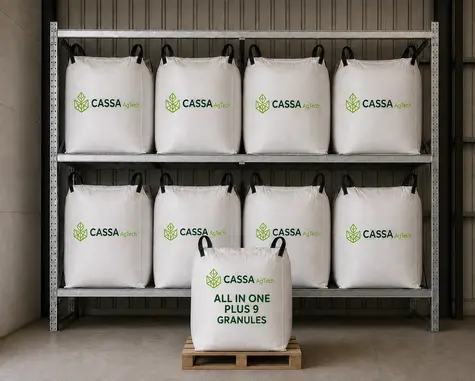
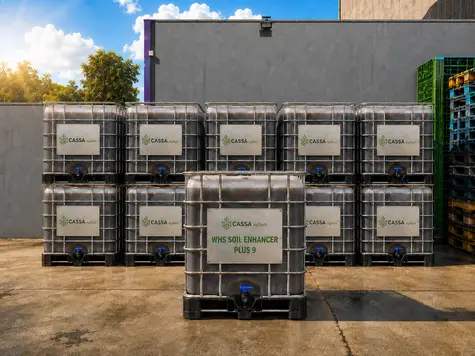
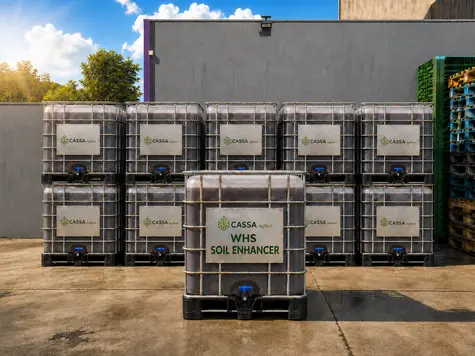
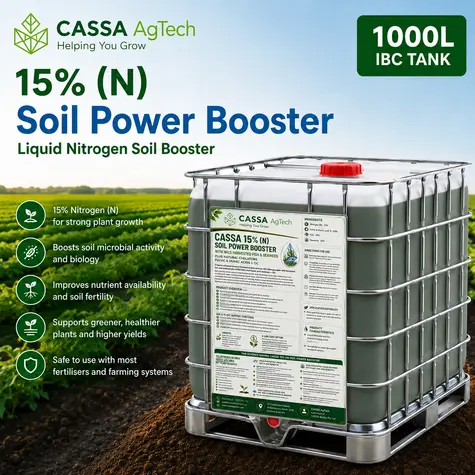
FERTILISER IN ROXBURGH PARK VIC
Whether you’re looking to buy fertiliser or sell fertiliser, LocalAg makes it easy to connect with trusted farmers and suppliers across Australia. From bulk lots to smaller on-farm quantities, you’ll find a growing range of fertiliser listings suited to every type of operation.
Our platform offers safe and secure payments through CheckVault, giving you confidence that every transaction is protected. With a transparent dispute resolution process and trusted connections across the agricultural community, LocalAg helps keep buying and selling fertiliser simple and stress-free.
Explore More Subcategories
General Questions
What types of fertiliser are available to buy on LocalAg?
LocalAg's Fertiliser category focuses on straight fertiliser products - single-nutrient or simple compound fertilisers that are the backbone of Australian grain and pasture production. The main products you will find listed include:
Nitrogen fertilisers: urea is by far the most commonly listed product. Urea (46% N) is Australia's most widely used nitrogen source and is traded in significant volumes through the platform by farmers selling surplus stock and suppliers listing directly.
Phosphorus fertilisers: single superphosphate (SSP) is the most commonly listed phosphorus product, widely used for pasture topdressing across southern Australia. It also contains sulphur, which makes it particularly valuable in sulphur-deficient soils.
Compound fertilisers: DAP (di-ammonium phosphate) and MAP (mono-ammonium phosphate) appear regularly. Both provide nitrogen and phosphorus in a single granular product and are widely used at seeding time in broadacre cropping.
Potash: muriate of potash (MOP) and sulphate of potash (SOP) are listed less frequently but do appear, particularly in regions where potassium deficiency is a known production constraint.
Lime and gypsum: agricultural lime for soil pH correction and gypsum for sodic soil amelioration are listed by suppliers and farmers across the southern cropping and grazing regions.
Organic fertilisers: chicken manure pellets and compost-based products appear in the listings and suit organic, sustainable, and horticulture operations.
Browse Fertiliser listings on LocalAg to see what is currently available near you. If you cannot find the product or volume you need, post a free Wanted Ad and our team will find a verified supplier.
Can I buy urea fertiliser in bulk on LocalAg?
Yes. Urea is the most commonly traded fertiliser product on LocalAg and bulk quantities are regularly available from verified sellers across Australia's main grain and cropping regions.
Listings typically come from two sources: grain and cropping farmers who purchased more urea than they needed and are selling the surplus, and fertiliser suppliers and merchants who list directly on the platform to reach buyers outside their immediate area. Both offer pricing that is generally more competitive than buying retail through a rural store, because the retail margin is removed from the transaction.
For large cropping operations buying tens or hundreds of tonnes, the cost difference between farm gate or supplier-direct pricing through LocalAg and rural retail pricing can be significant over the course of a season.
Things to confirm before committing to a bulk urea purchase:
Confirm the product has been stored correctly. Urea is hygroscopic, meaning it absorbs moisture from the air and will clump and degrade if stored in damp or poorly sealed conditions. Ask the seller how and where it has been stored and how long it has been in storage.
Confirm the form. Urea is available as prilled (small round granules) or granular (larger, harder granules). Both are agronomically effective but apply differently through different spreading equipment. Confirm which form is listed before purchasing.
Confirm delivery logistics. Bulk urea is heavy and requires either a tipper truck or bulk bag delivery. Discuss delivery options with the seller and confirm your property has appropriate access and unloading facilities.
Every listing on LocalAg includes an indicative delivered price so you can assess the true cost including freight before contacting the seller.
What is the difference between urea, DAP and MAP fertiliser?
These are three of the most commonly used straight and compound fertilisers in Australian broadacre agriculture, and each has a different role in a fertiliser program.
Urea (46-0-0) is a nitrogen-only fertiliser containing approximately 46% nitrogen. It is the most concentrated solid nitrogen fertiliser available and is used to supply nitrogen for crop growth and pasture production. It is applied as a topdressing or incorporated before planting. Urea needs to be managed carefully to avoid nitrogen loss through volatilisation, particularly when applied to the soil surface without incorporation or rainfall. It does not contain phosphorus, potassium, or sulphur.
DAP - Di-ammonium phosphate (18-20-0 approximately, with some sulphur) is a compound fertiliser providing both nitrogen and phosphorus in a single granule. DAP is widely used as a starter fertiliser applied at seeding time in broadacre crops including wheat, barley, and canola. The phosphorus in DAP is highly available to plants. DAP has an alkaline reaction when it dissolves in the soil, which can be an advantage in acidic soils. The nitrogen component provides an early growth boost alongside the phosphorus.
MAP - Mono-ammonium phosphate (11-23-0 approximately) is similar to DAP in providing both nitrogen and phosphorus at seeding, but with a higher phosphorus to nitrogen ratio. MAP has an acidic soil reaction when it dissolves, which can be advantageous in neutral to alkaline soils where phosphorus availability is otherwise reduced. It is commonly used in the wheatbelt of WA and in other higher-pH cropping soils where DAP's alkaline reaction is less desirable.
Choosing between them comes down to your soil pH, your crop's nitrogen and phosphorus requirements at seeding, and what is available at a competitive price in your region. For topdressing nitrogen mid-season, urea is almost always the product of choice. For at-sowing phosphorus and starter nitrogen, DAP and MAP are the main options, with the choice influenced by soil pH.
Can I buy organic fertiliser on LocalAg?
Yes. Organic and biological fertiliser products are listed on LocalAg and suit certified organic operations, sustainable farming systems, market gardens, and hobby farms where synthetic fertiliser use is either restricted or avoided by preference.
The most commonly listed organic fertiliser products include:
Chicken manure pellets - a widely available and practical organic nitrogen and phosphorus source. Pelletised chicken manure is easier to handle and spread than raw manure and is used in pasture topdressing, vegetable production, and horticulture. It typically contains 3 to 5% nitrogen, 2 to 3% phosphorus, and various trace elements.
Compost and organic matter products - composted manure, green waste compost, and similar products appear in listings. These are lower in nutrient concentration than synthetic fertilisers but contribute to soil organic matter and long-term soil health.
A few things to note when buying organic fertilisers through LocalAg for certified organic operations. If you are farming to a certified organic standard, confirm that the specific product is approved under your certification body's input requirements before purchasing. Not all products described as natural or organic meet the specific standards of certification bodies like ACO or NASAA. Ask the seller for product documentation and check it against your certification requirements.
Browse current listings or post a Wanted Ad if you cannot find the organic product you need listed in your area.
How do I buy fertiliser safely from a private seller?
Buying fertiliser from a private seller through an online marketplace carries some specific considerations beyond the general principles of safe online buying. Here is what to focus on.
Use a verified marketplace with escrow payment. The biggest risk when buying from a private seller is paying for product that does not arrive, is not what was described, or has been stored in a way that has degraded its quality. On LocalAg, all sellers are verified and all payments go through CheckVault escrow. Your money is held securely until you confirm the fertiliser has arrived and matches the listing. If there is a discrepancy, you have a formal dispute process.
Ask about storage history. Fertiliser quality can be significantly affected by poor storage. Urea clumps and loses nitrogen to the atmosphere when exposed to moisture. Single superphosphate cakes and becomes difficult to spread when stored in damp conditions. DAP and MAP are more stable but can still be affected by extended exposure to moisture. Ask the seller specifically where and how the product has been stored, for how long, and whether it has been kept sealed.
Check the product condition. For bagged fertiliser, ask the seller to confirm the bags are intact and unbroken. For bulk product, ask about any visible clumping, discolouration, or contamination. Ideally ask for photos of the actual stock before committing to purchase.
Confirm the product type and grade. Ask for the product name, analysis (N-P-K percentages), and any batch or delivery documentation the seller has. This confirms you are buying what is described rather than a mislabelled or substituted product.
Logistics. Bulk fertiliser deliveries require appropriate access to your property and suitable unloading facilities. Confirm the delivery method with the seller before finalising the purchase and make sure your property can receive the truck size being used.
Can I buy surplus fertiliser from other farmers on LocalAg?
Yes, and this is one of the most practical ways to access competitively priced fertiliser, particularly for smaller or mid-sized operations that cannot always access the volume discounts available to large commercial buyers.
Farmers regularly end up with surplus fertiliser at the end of a season. A crop plan that changed, a season that finished early, a purchase that came in at a better volume than needed, all of these situations result in quality fertiliser sitting in a shed that the owner would rather sell than store for another twelve months. These sellers are typically motivated to move product at a fair price rather than hold it.
For buyers, purchasing surplus fertiliser from a verified farmer through LocalAg offers several practical advantages. The price is generally below rural retail. The product has usually been stored on-farm in reasonable conditions. You are dealing directly with the person who knows the product's history. And the transaction is protected by CheckVault escrow, so there is no financial risk if the product is not as described.
The key questions to ask when buying surplus fertiliser from a farmer on LocalAg are the same as for any private seller: storage history, product condition, how long it has been stored, and whether any documentation from the original purchase is available.
Browse Fertiliser listings on LocalAg to see what farmers currently have available near you. If you have a specific product and volume in mind and cannot find it listed, post a Wanted Ad and our team will find a seller.
What fertiliser is best for pasture renovation in Australia?
Pasture renovation covers a range of situations from oversowing into an existing stand to full cultivation and resowing, and the right fertiliser program depends on your soil test results, what you are sowing, and what nutrients are limiting production in your paddocks.
That said, there are some broad principles that apply across most southern Australian pasture renovation programs.
Phosphorus is almost always the starting point. Phosphorus deficiency is the most widespread nutrient limitation in Australian soils and is consistently the nutrient that delivers the biggest production response when corrected. For pasture renovation, applying phosphorus at or before sowing is standard practice. Single superphosphate is the most widely used phosphorus fertiliser for pasture in Australia, partly because it also supplies sulphur, which is deficient in many southern Australian soils. A typical renovation rate is 100 to 200 kg per hectare of single super applied at sowing or incorporated before sowing, depending on your soil test phosphorus levels.
Nitrogen for grass establishment. If you are sowing a grass-dominant pasture or including cereal grasses in the mix, a small amount of nitrogen at sowing can improve establishment vigour. DAP or MAP are commonly used at seeding to provide both starter nitrogen and phosphorus in one application. If your pasture includes significant legume content such as clover or lucerne, be cautious with high nitrogen rates at sowing as excess nitrogen can suppress legume nodulation and nitrogen fixation.
Lime for acidic soils. Soil pH below 5.5 in water or 4.8 in calcium chloride significantly reduces the effectiveness of phosphorus fertiliser and limits the establishment and persistence of legumes. If your soil test indicates acidity, applying lime before cultivation and renovation is one of the highest-return investments you can make. Lime takes time to move through the soil profile so applying it well ahead of sowing gives better results than applying it at the last minute.
Potassium and sulphur. Potassium deficiency affects some soils in higher-rainfall zones of southern Australia, particularly older cropped or intensively grazed paddocks. Sulphur deficiency is widespread in sandy soils across WA, SA, and parts of Victoria and NSW. Both are worth checking in a full soil test before renovation.
The most important step before any fertiliser decision is a current soil test from the paddocks being renovated. Without soil test data you are applying fertiliser based on assumptions rather than evidence, which either means overspending on nutrients that are not limiting or underapplying nutrients that are. Our Testing service can help connect you with testing options, or speak with a local agronomist who knows your soil types.