
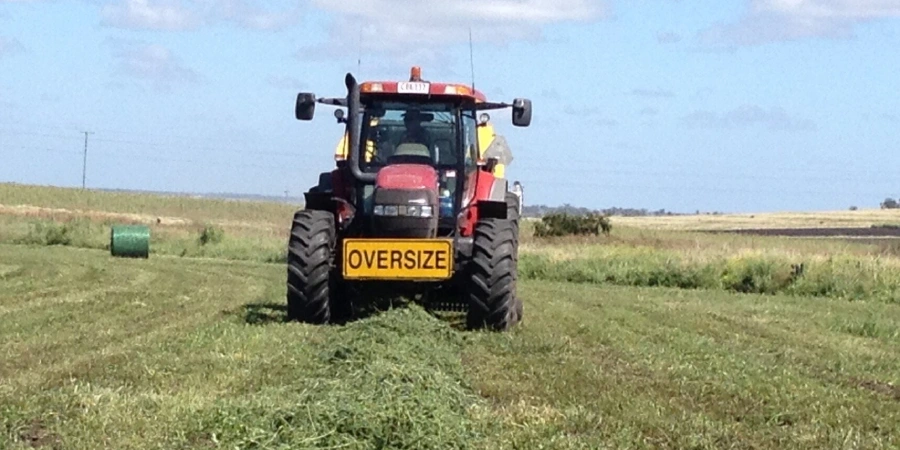
We all know that moment. You’re out in the paddock, and you hear it. That noise. The one that tells you something’s not right with the header, the tractor, or the seeder.
Your mind starts racing: can we fix this quickly, or is it time to replace the whole thing?
We’ve been there. We’ve weighed up the repair bill against the price tag of new machinery, wondering if that old faithful tractor has one more season left in it.
Let’s walk through this together. We’ll break down when fixing makes sense, when it’s time to upgrade, and the real numbers that should guide your next move.
Fixing gear often saves us time and money when the problem’s manageable. A quick DIY repair with basic tools can keep us going strong through the busiest weeks.
Damaged hoses, broken wires, or faulty sensors pop up regularly on our machines. These smaller problems typically cost much less to fix than replacing major components or the whole unit.
Quick fixes keep our tractors and harvesters running during critical periods like sowing and harvest. Spare filters and hoses are usually easy to source at local ag shops such as Elders or Nutrien Ag Solutions, which gets us back to work fast.
Studies show that 65% of harvest failures could have been prevented with proper pre-harvest inspections and regular maintenance.
A newer tractor or combine with most of its working life ahead makes repairing farm equipment the smarter choice for minor issues. Addressing small faults as soon as we notice them prevents bigger breakdowns later.
Keeping an eye out for worn-out belts or split hydraulic lines helps us sort problems before they grow into something that could stop work completely. That way, we avoid buying new farm equipment unless absolutely necessary.
New tractors and harvesters from the 2020s often come with parts that are both affordable and easy to source. Suppliers stock filters, belts, sensors, pumps, and hydraulic fittings for 2022-2024 models from John Deere, Case IH, or New Holland.
This makes repairs quick and less costly when we handle them on-site. Simple fixes help extend the working life of our machinery without long waits or excessive expenses.
Modern gear like GPS auto-steer systems from Trimble or Ag Leader fitted in recent models stays efficient when we swap faulty modules swiftly. Reliable availability of replacement parts supports our choice to repair instead of replace farm equipment too soon.
Most newer machines have many years left before they wear out fully. Manufacturers continue releasing parts updates for popular machines built after 2020. This ensures supply stays strong as we plan ahead on the farm, maximising our return on investment while keeping operational costs manageable.
Sometimes, replacing gear is the smarter financial move. New tractors and harvesters reduce breakdowns and keep our operations moving when timing matters most.
Old tractors and harvesters demand more repairs as years stack up. Costs climb fast, eating into profit each season we keep them running.
Our records help spot these rising costs. When maintenance bills approach or overtake payments for newer farm machinery, it’s time to seriously consider replacement.
Frequent downtime hurts our work pace and adds stress during busy periods. Annual repair and maintenance costs for used tractors typically range from $0.75 to $1.50 per hour of operation, accounting for 10-15% of total operational costs. For a tractor with 400 hours of annual use, this translates to $300-$600 per year in routine maintenance alone.
After 6,000 hours of use, total accumulated repair costs may equal about 25% of the tractor’s original purchase price.
High maintenance costs often point us towards an even bigger issue: outdated technology and reduced efficiency. Many of our older tractors and harvesters struggle to keep up with modern GPS guidance or automated controls.
Sourcing spare parts for equipment that manufacturers stopped supporting can be nearly impossible. We’ve seen neighbours search weeks, even months, for a single valve or gear, losing valuable planting time.
New machinery in 2024-2025 now comes loaded with advanced features. Over 60% of new farm machinery features automated guidance systems according to industry data from 2024. These upgrades include yield mapping systems, precision seeders, and improved fuel consumption rates.
Modern technology does more than save diesel. It cuts down on labour needs, reduces errors during sowing or spraying, and boosts daily output across the board. Equipment lacking compatibility with farm management platforms like John Deere’s Operations Center or Trimble steering kits puts limits on our growth potential.
Safety requirements also push many of us toward replacing rather than repairing old assets. Machines built before current standards may lack rollover protection or modern sensor alerts, raising serious risks during peak seasons.
Choosing to repair or replace farm equipment now hinges on real performance numbers. Age matters less if the machine cannot support safe operation alongside newer tools throughout our fleet.
We use machinery costs, safety data, and tractor efficiency numbers to guide our choices. When we weigh financial impact and field output together, we make better calls on each repair or replacement.
Making decisions about repairing or replacing our tractors, combines, and balers calls for a sharp look at the numbers. Here’s a comparison using real farm figures, showing what a $300,000 combine might cost us and how it impacts cash flow.
| Factor | Repair | Replacement |
|---|---|---|
| Upfront Cost | Usually lower; pay only for parts and labour needed. | High investment; new harvesters now around $1.2 million in Australia. |
| Annual Costs | Maintenance and repairs add up, especially as gear ages. | Lease: $45,000/year; Rollover: $40,000 plus $4,800/year interest. |
| Downtime | Increases with old gear; means lost time at key harvest or seeding periods. | Less downtime; new equipment is more reliable, comes with warranty coverage. |
| Productivity | Older tractors and harvesters run slower with more breakdowns. | Higher productivity from advanced features and better fuel efficiency. |
| Technology | Stuck with old systems and fewer capabilities. | Access to precision agriculture, GPS guidance, and latest safety features. |
| Tax Benefits | Limited, though some deductions possible. | Section 179 deductions up to $2.5 million in 2025, plus 40% bonus depreciation. |
| Salvage Value | Usually quite low after long use; machines might be good for parts only. | Retain salvage value in year five if buying new and selling on. |
| Capital Flexibility | Leaves more farm money free for other needs, like land or inputs. | Capital is tied up; less available for other investments. |
| Risk | Breakdown risk rises as machines age and pass 12,000 hours. | Lower repair risk; warranty covers many early issues. |
| Decision Tools | Run numbers through tools like the Farm Machinery Financing Analyser, which includes tax effects. | Farm Machinery Financing Analyser can compare lease, buy, and rollover options. |
We gain more control using solid tools and real data to compare costs. The right path factors in maintenance costs, cash flow, production goals, and how new features could boost our yield.
Frequent hydraulic leaks or signs of metal fatigue, such as cracked welds or worn pins, can slow us down right in the middle of critical harvest weeks. Even a one-day breakdown can cost thousands according to industry data.
Many breakdowns cause not just repair bills but hidden costs too. Lost time and lower yields happen when we miss those small weather windows in peak season. Delaying replacement after constant issues often means falling behind on schedules and missing top market prices.
Trading out old tractors for new models improves safety with better brakes, rollover protection bars, and updated cabins. Upgrading to modern combines or seeders lifts our output each day with less risk of injury from outdated gear.
One single day without equipment during peak harvest season could result in lost productivity, missed deadlines, and reduced income that can be catastrophic to our business.
Bigger farms may need larger capacity headers or sprayers. Smaller properties might scale back without sacrificing crop quality.
New technology gives us reliable sensors, auto-steer systems, and easier record keeping. These features help keep everyone safe while boosting profits year after year. Every hour saved now adds up across the entire season.
Choosing between repair and replacement keeps our farms running strong. We weigh up costs, machine age, and parts access before making the call.
Each choice shapes our safety, savings, and productivity for the seasons ahead. The data shows repair costs climbing 41% between 2020 and 2024, while new machinery offers better technology, safety features, and efficiency gains that often justify the investment.
Tools like the Farm Machinery Financing Analyser help us run the numbers properly. Tax benefits including Section 179 deductions and bonus depreciation can significantly reduce the true cost of new equipment purchases in 2025.
If we need help deciding about tractors or harvesters, expert support is ready to guide us through it all. Let’s keep working together to get the best from every piece of farm equipment on our land.
We advise repairing machinery when the fix costs less than 50% of the equipment’s value and it still has significant operational life left. Minor issues like worn belts, damaged hydraulic hoses, or faulty sensors are almost always worth fixing to keep a reliable machine in the field. A report from Ag Equipment Intelligence confirms that consistent, timely repairs can extend a machine’s lifespan by several years.
It is time for a replacement when repair costs are continuous and you’re losing money from downtime, especially during critical seasons like harvest. Frequent breakdowns, particularly with the engine or transmission, can cost more in lost productivity than a new machine would. Industry data shows that downtime during harvest can cost a farm over a thousand dollars per hour.
Get a firm quote for the repairs and compare it to the tractor’s current market value, factoring in how many times it has broken down recently. New equipment offers significant advantages. Features like GPS autosteer and telematics can also boost your farm’s productivity and lower input costs.
Yes, if the machine has been maintained well and you handle repairs before they become major problems, especially since older, pre-emission standard engines can be simpler to fix.
Search our marketplace