
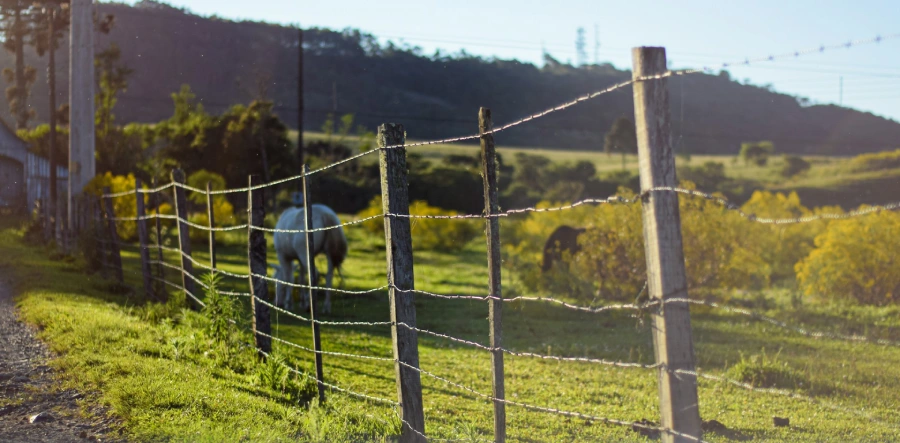
Australian farmers know how tough the weather can get. From blazing heat to wild storms and heavy rain, your rural fences cop it all. It’s a real challenge to keep livestock safe and your property secure with materials that last.
Here’s a fact: not all rural fencing materials are made for the extreme Aussie climate. Some break down fast and leave you out of pocket. In this post, you’ll get a clear rundown of the best options for dog proof fencing and cattle fencing.
You will see what works, what lasts, and what can really handle our harsh conditions. Want fences that hold up? Keep reading.
Barbed and high-tensile fence wire is a smart choice for Aussie farmers. It offers strength and security, making it perfect for tough conditions.
High-tensile galvanised barbed wire stands up well in harsh Australian weather. Its steel strands stretch tight and stay strong. Galvanised coating stops rust, even with lots of rain or searing sun.
Many farmers use this type of wire for cattle fences or boundary lines. It helps keep large animals in and pests out. The sharp barbs and tough wire last for years with little maintenance.
Most wires use a 2.5mm or 2.8mm core. They handle tension without breaking or sagging, even if hit by a falling branch. Reports from 2022 say these wires can handle over 600kg of pressure before snapping.
You can run longer fence lines with less posts. That saves both money and labour.
High-tensile barbed wire is your mate for tough weather and strong stock.
Hinge joint dog mesh wire fencing stands up to wild weather. The strong, flexible mesh keeps dogs and pests in or out. Farmers often use it for boundary fences, paddock dividers, and even stock yards.
The wire knots at each junction act like hinges. This design means the fence flexes with wind, fallen branches, or animal pressure. Wires spring back instead of snapping or sagging.
Australian conditions can be tough. Heat, rain, and dust put fences to the test. Galvanised mesh resists rust, so it lasts longer in the sun and rain. Good mesh sizes keep out wild dogs, foxes, and even smaller native animals.
Taller options, like the 1.8-metre dog mesh, give extra protection for sheep or goats.
Quick to roll out and easy to strain, hinge joint fencing helps save time and effort. The mesh suits uneven ground and hills, too, fitting the land with less trouble. With strong posts, this fencing can last over 20 years with little upkeep.
For even more strength, some farmers match it with treated pine posts or ironbark split posts.
Treated timber posts are tough and last a long time. They can handle strong winds and heavy rain, making them perfect for your farm.
H4 pine posts last well in wet ground and harsh weather. They have deep preservative treatment, which keeps termites away and helps stop rot. Many farmers choose H4 treated pine because it is easy to use, strong for heavy loads, and holds wire tight year after year.
Each post gives you a lifespan of up to 20 years if used right.
Price often comes lower than hardwoods like ironbark but still stands firm in floods or storms. Australian Standards approve H4 treated pine for all-round rural fencing jobs; this means high reliability even with tough livestock or wild animal pressure.
If you want posts that beat the weather and pests without breaking the bank, H4 treated pine is hard to go past.
Ironbark split posts stand out for tough jobs. This hardwood comes from native Australian trees, especially grey and red ironbark. These posts handle Australia’s hot summers, heavy rain, and bushfires.
With a dense core, ironbark split posts can last 40 years or more in the ground. White ants rarely touch them. Farmers often use them for cattle yards, sheep fencing, and boundary lines.
Lab tests rate ironbark as Class 1 durability above and below ground. That means less worry about rot or termites eating the posts away. Many miles of fencing across New South Wales and Queensland use ironbark split posts because they need less maintenance.
Sawn or split options are both common. Split posts are rough-cut and hold wire tight. Carpenters, not machines, often cut and split each post by hand. This keeps jobs local and helps rural communities.
Because of all this, ironbark split posts give strong, long-lasting fences for harsh Australian conditions.
Steel fence posts and rails offer strength and reliability. They stand strong against harsh weather, making them a smart choice for Aussie farms.
Heavy galvanised steel posts stand strong against fierce Australian weather. These posts offer great durability, making them perfect for fencing on farms. They are resistant to rust and corrosion.
This means they last longer than wooden or untreated options.
Farmers appreciate their strength during harsh conditions. Heavy galvanised steel can withstand impacts from animals and severe winds too. Installing these posts helps create sturdy boundaries that protect livestock and crops effectively.
Cattle rails are strong and durable. They keep cattle safe and secure while allowing easy movement. For Australian farms, these rails resist harsh weather conditions well. You can find them made of heavy galvanised steel or treated timber.
Farm gates play a vital role too. They provide access for vehicles and livestock, ensuring smooth operation on your farm. Look for sturdy hinges and reliable latches that withstand daily use.
Now let’s explore mesh and netting fences next, bringing more options to protect your land and animals!
Mesh and netting fences are great for keeping animals in or out. They provide a sturdy barrier against tough weather and curious critters, ensuring your livestock stay safe on the farm.
PVC-coated galvanised mesh is a strong option for fencing. It combines durability with good looks. The PVC coating helps prevent rust and corrosion, making it last longer in tough weather conditions.
Farmers can use this type of mesh to keep livestock secure while maintaining a clear view. It’s great for areas where animals might try to push through or dig under fences. This mesh also comes in different sizes, so you can select what fits your needs best.
Installation is simple, too. You just need standard posts and some reliable fencing tools. PVC-coated galvanised mesh offers a blend of strength and style that suits many farm settings well.
Strong mesh rolls keep your property safe. Dog-proof and dingo mesh rolls are perfect for farms in Australia. They block unwanted animals while letting air and light pass through. The tough material lasts longer against harsh weather.
These rolls come in different sizes, making them easy to use on any fence line. Great for keeping livestock secure, they also add a layer of safety for pets. You can wrap these around existing fences or build new ones with them.
Choose the right size for your needs; it makes a big difference!
Fencing accessories boost the strength of your fence. Quality farm gate hinges and sturdy latches help ensure everything stays in place, even when the weather gets wild.
Farm gate hinges and latches play a crucial role in protecting your livestock and property. They need to be strong, durable, and reliable. Heavy-duty steel hinges are ideal for farm gates.
They can handle the weight of large gates without bending or breaking.
Choose latches that secure tightly but are easy to operate. A good latch keeps your gate closed, preventing animals from escaping. Look for designs that resist rust and corrosion since they will face harsh weather conditions.
Using high-quality accessories can save you time and money. Investing in solid hinges and latches means fewer repairs down the line. It also adds peace of mind knowing your fencing system is secure.
After discussing farm gate hinges and latches, let’s look at barbed staples and tie wire. These items play an important role in keeping your fences strong.
Barbed staples hold wire securely to posts. They grip tightly, making sure the wire stays in place. High-quality barbed staples resist rust and weather damage.
Tie wire is useful for connecting different sections of fencing. It’s flexible and easy to use. You can twist it around posts or weave it through mesh panels for added strength.
Using both barbed staples and tie wire increases fence durability. With proper installation, they keep livestock safe while standing up against harsh Australian weather conditions.
Strong fences mean happier animals and less worry for you!
Virtual fencing uses technology to manage livestock. It creates virtual boundaries using GPS and collars. Farmers can set up these fences from their phones or computers. This system allows animals to roam but keeps them in safe areas.
Virtual fencing reduces the need for physical posts and wires, saving money and time. It also helps protect pastures from overgrazing by allowing farmers to move their herds easily.
With alerts, farmers know if an animal strays too far. This tech is changing how we think about fencing on farms… it’s like giving your livestock a little freedom while keeping them secure!
Fencing for extreme Australian weather is key. Choose the right materials to protect your land and animals. Barbed wire, treated timber posts, and strong steel rails work well together.
Don’t forget accessories that boost strength and durability. With these tips, you can create a fence that stands strong against harsh conditions.
Search our marketplace