
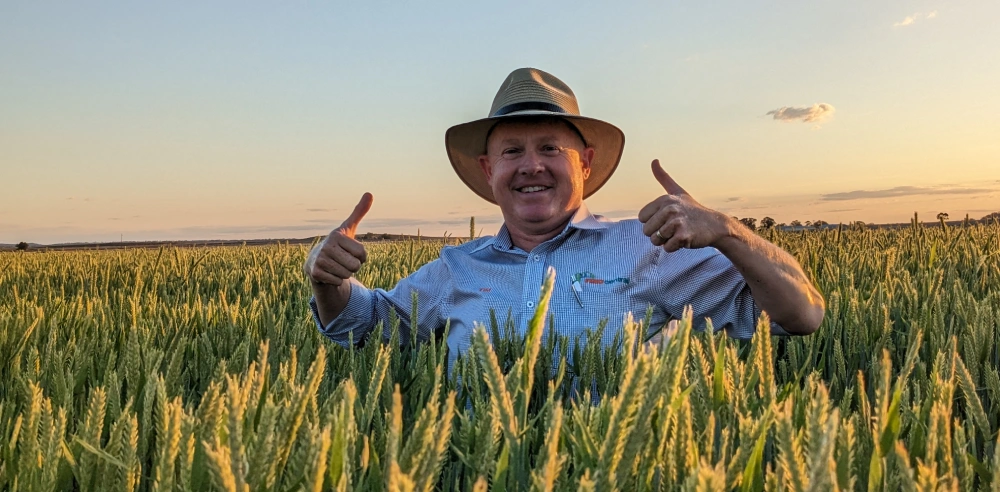
The 2026/2027 season presents a unique landscape for Australian hay growers. With evolving market demands and shifting environmental conditions, successful hay production requires a proactive approach that begins long before the first seed is sown.
Producing high-quality winter hay follows a strict annual timeline designed to maximise biomass and quality:
For many growers, the choice between harvesting grain or making hay depends on seasonal potential. Historically, hay has often outperformed grain in gross value per hectare, particularly in dry years or when frost compromises grain yield but allows for robust vegetative growth. Feed Central provides calculation tools to help growers compare gross margins and determine the most profitable exit strategy for their specific paddocks.
Hay production is a powerful tool in an Integrated Weed Management (IWM) strategy. By cutting crops prior to weed seed set, growers can significantly reduce the seedbank of troublesome annual grasses like wild oats and ryegrass without relying solely on herbicides.
However, paddock selection must account for chemical history. Residual herbicides (such as sulfonylureas or group I products) can persist in forage, posing risks to livestock or limiting market access.
Optimising hay yield often requires higher nitrogen inputs to drive biomass. However, this increases the risk of “lodging”, where the crop falls over before harvest. Growers are encouraged to:
Profitability isn’t just about yield; it’s about marketability. Buyers are increasingly prioritising quality-assured products.
By aligning production techniques with these seasonal strategies, Australian growers can set their 2026 winter crops up for reliable establishment and superior returns.
Search our marketplace