
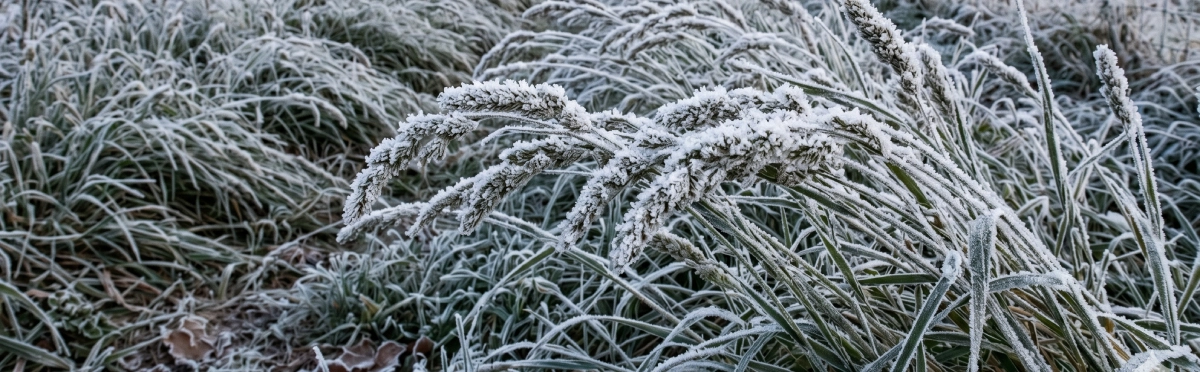
If frost cuts your grain yield this winter, cutting the crop for hay is often the fastest way to recover value that would otherwise be lost. A frosted cereal crop with strong biomass, kept reasonably clean of weeds and disease, can produce quality hay that buyers actively want. The catch is that you cannot make that decision well at the last minute. The growers who capture the opportunity are the ones who keep the option open from the start of the season.
Timely autumn rain has seen cereal crops establish well across many regions this year, and vetch plantings are up as growers look for flexible options that provide grazing, quality hay and soil improvement. The Bureau of Meteorology is forecasting a higher chance of above-average minimum temperatures across much of the country this winter, which is encouraging for crop growth. A warmer outlook does not stop frost though. It only takes one bad frost event at the wrong time to do significant damage, and seasonal forecasts cannot tell you when that will happen.
That uncertainty is exactly why it pays to plan for both a grain outcome and a hay outcome before the season unfolds.
A few practical steps early in the season protect your flexibility later.
One lesson from previous frost years is to be cautious about marketing decisions based on social media chatter. Growers have walked away from hay opportunities because of predictions of an oversupplied market, only to watch those forecasts prove wrong and the opportunities disappear.
Hay markets can strengthen quickly after major frost events, as livestock producers look for additional fodder. Before you make a call, talk to people who are actively buying, selling and moving hay and who understand what is happening in the real market, not just the rumoured one. Listing your hay is also one of the clearest ways to test genuine demand rather than guess at it.
Frost-affected cereal crops with strong biomass can make quality hay and recover value lost from reduced grain yield. Keeping that option open requires planning before the season unfolds, not after the frost hits. Minimise residue, control weeds and disease, sort out storage and book contractors early. Be wary of marketing decisions driven by social media predictions, and check real market demand before you commit.
If you are weighing up grain against hay this winter, listing on LocalAg is a direct way to see what buyers are actually paying. List your hay and reach buyers across the country.
Search our marketplace