
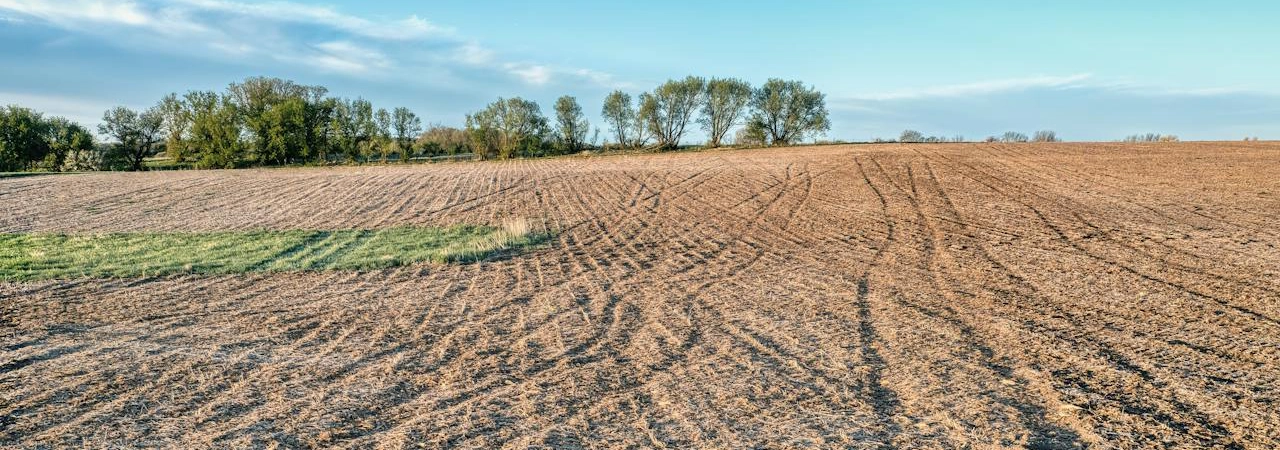
Dry spells hit farms hard. You may see dusty soil, weak pastures and falling yields. Many farmers search for practical ways to keep soil alive and keep water in place. Maintaining soil health during drought is the goal here.
Healthy soil acts like a heat and water shield, it buffers plants from extreme heat. This piece will show simple steps to reduce moisture loss, increase soil organic matter, and keep ground cover using mulch, cover crops, compost, biochar, and no-till farming. It will also point to tools like direct drill seeders, stubble management equipment, and precision agriculture technology for better results. Read on.

Soil acts as a thermal buffer, keeping soil cooler during heat spikes and protecting roots. Healthy soil management controls the transfer of heat and moisture between land and air, and degraded soil loses that buffering power.
Rising ground temperatures cut plant growth and lower crop and pasture production. A 2025 global study found flash droughts with extreme heat hit harder and last longer than those without heat.
Soil moisture falls as the soil dries, and crop growth and yield drop. Water stress shifts nutrient dynamics and raises leaching risks. Research in Science of the Total Environment, 2025, shows improving soil health and reducing evaporation helps farm resilience.
Practical tools like cover crops, biochar and no-till farming equipment improve soil moisture retention and support drought farming strategies.
Local farms in regions such as New South Wales have reported that using cover crops and no-till practices leads to steadier soil moisture. Field reports show improvements in plant growth and organic matter levels when clear methods are followed.
Soil needs moisture to stay healthy, especially during dry spells. One great way to help is by using mulch, which keeps water in and stops evaporation. Another method is biochar, which helps hold onto moisture longer.
You can also try no-till farming; it reduces disturbance and keeps the soil structure intact.
Farmers have observed that combining mulch with moisture sensors gives clear guidance on water retention. Local case studies show that selecting suitable cover crop species enhances moisture management.
Use organic mulches such as straw, shredded leaves, untreated wood chips, pine needles, or partially finished compost. Studies show mulching cuts evaporation and stabilises soil temperatures during extreme heat (Cogent Food & Agriculture, 2025).
The University of California Agriculture & Natural Resources advises 7 to 10 cm of mulch around established plants to reduce moisture loss and suppress weeds. North Dakota research found protected soils stay cooler than bare soils, which helps with agricultural soil health and reducing soil moisture loss.
Mulch breaks down and adds organic matter, boosting water retention in soil and long-term soil productivity. Farmers who keep ground cover cut stress on crops during drought and improve regenerative soil management.
Farmers have noted that using organic mulches with precise application equipment increases moisture retention.
Biochar soaks up water and holds it in soil, helping to lift soil moisture during drought.
Biochar can boost water-holding in sandy paddocks.
Farmers can apply biochar with compost or spread it in planting rows. Soil moisture sensors and minimum tillage machinery help place it where it will work best.
Adding biochar aids drought-resilient agriculture and managing dry conditions on farms. It pairs well with cover crops and stubble retention to cut evaporation and improve soil water conservation.
Reports from farms indicate that biochar mixed with compost results in a stable soil structure and better water storage in sandy soils.
No-till and minimum-till protect soil structure. They cut moisture loss and boost soil organic matter.
Local feedback confirms that no-till practices support sustained soil structure. Farmers use direct drill seeders and stubble management equipment to improve moisture conservation.
Enhancing organic matter in soil helps boost its health and moisture retention. Cover crops grow between main planting seasons, adding nutrients back into the ground. Keeping crop residues on the field protects soil and improves structure.
Using compost and natural additives enriches the earth, making it more productive. Want to learn more about these effective methods?
Case studies from Australian farms show that mixing compost with organic amendments increases soil water-holding capacity. This approach elevates organic matter and supports soil conservation.
Cover crops boost soil health. They enhance soil organic carbon (SOC) and improve quality. Over 80% of studies show clear benefits from using them. These crops help retain moisture, which is key during dry periods.
Research shows that fields with cover crops hold more water than bare ones. This moisture retention assists farmers in managing drought stress.
Across multiple meta-analyses, cover crops lift SOC by an average of around 6 to 16% over time, with the result depending on soil type, climate and how long the cover crops are used. Most studies report improvements in soil quality, and cover crops also stabilise the soil structure, making it better at holding water.
Farmers are advised to select cover crop species that perform well in local conditions. Field trials have shown that combining legumes and grasses creates a balanced ecosystem that supports moisture retention.
Effective management, like choosing the right species and timing their termination well, maximises these advantages for farming practices focused on increasing crop resilience during droughts.
Fields with cover crops keep more moisture than bare fields.
Retention of crop residues is essential for maintaining soil health. Leaving old crop leftovers, or stubble, on your fields after harvest helps keep the soil cool. It protects the ground from direct sunlight and reduces water loss during long dry spells.
These residues also prevent erosion. Erosion can wash away precious topsoil, especially in dry conditions. Fields with crop residues show less water loss compared to bare lands. Plus, cooler soils are better for plant roots and soil life.
Stubble retention provides clear benefits for farmers working to improve resilience during droughts and manage their land wisely.
Local trials have recorded fewer cases of erosion and enhanced moisture retention when crop residues are managed effectively. This method supports sustainable farming practices in Australia.
Compost is a simple way to improve soil health. It helps retain moisture, which is crucial during dry periods.
Field observations underline the benefits of regular organic amendments for building soil structure. Many farmers have seen a measurable boost in moisture retention over time.
Ground cover matters a lot for soil health. Keeping at least 70% ground cover helps stop erosion and keeps moisture in the soil. When stubble is left on fields, it protects the soil from harsh sun and strong winds.
This simple action can make a big difference during dry spells, so do your best to keep that ground covered!
Additional field data confirms that maintaining high ground cover assists in reducing evaporation. Research shows that continuous plant cover supports better water retention.
Maintaining at least 70% ground cover is essential for healthy soil during dry times. This practice helps prevent bare ground exposure, which can lead to evaporation and heat stress.
As the soil remains covered, it retains moisture better. Plants with living roots contribute to soil health and stability. They also support diverse forage species that help balance the ecosystem in drought conditions.
Utilising cover crops increases organic matter in the soil too. Thick plant growth protects against erosion from wind or rain. Crop residues left on the surface provide further protection while breaking down to enrich the soil over time.
Farmers have noted improvements in soil temperature regulation when ground cover remains consistent. Many Australian farms report similar successes.
In summary, covering your ground maintains moisture and keeps your paddocks productive even when conditions are challenging, especially during extended dry periods.
Maintaining ground cover is key. Stubble retention plays a big part in stopping erosion during dry times.
Local examples have found that proper stubble management reduces erosion significantly. This supports long-term farm productivity and soil conservation.
Sustainable farming practices can truly assist in challenging times. Rotational grazing keeps grass healthy and adds nutrients back into the ground. Using drought-resilient techniques helps farmers adapt to dry conditions, ensuring crops stay strong even when rain is scarce. This approach enhances soil health and improves farm resilience during drought periods.
Local farmers have reported successes with rotational and regenerative grazing, achieving steady pasture growth and improved soil quality.
Rotational management introduces a balanced grazing schedule that safeguards both livestock and soil resources.
Rotational grazing enhances soil health. This practice enables pasture to rest and recover between grazing periods. Healthy roots grow deeper, which helps the soil retain water better during dry conditions.
Research indicates that regenerative rotational grazing leads to 30% higher grass production in springtime compared to conventional methods. Farmers can use a schedule of 12 days of grazing followed by 24 days of rest for optimal results.
Regenerative practices also increase carbon storage in topsoil, with an improvement of 3.6%. These methods support diverse plant life and improve biodiversity on farms. Managing livestock based on rainfall and the health of plants can prevent overgrazing, which weakens root systems.
Regional data supports that rotational grazing improves water retention and strengthens soil organic matter. Australian farms continue to adopt these methods successfully.
Maintaining pastures is essential for drought management strategies in Australian farming as it boosts resilience against dry conditions while enhancing organic matter in soil.
Farmers face tough times during droughts. It’s essential to adapt and use smart techniques for resilience.
The adoption of adaptive techniques has improved water management in many Australian regions.
Soil health is key during dry spells. Healthy soil can keep plants safe from heat and help them grow strong. Use strategies like mulching, cover crops, and compost to hold moisture in the ground.
These simple steps can make a big difference in keeping your farm resilient. Together, we can ensure that our land stays productive even when the weather gets tough.
Use ground cover and mulch. Plant cover crops in wide rows to hold moisture, and keep stubble on fields after harvest. Add compost to increase organic matter in the soil. Check soil often and adjust your plan as the weather changes.
Use ground cover and organic matter to lock in water. Sow cover crops, add compost, and leave crop residue where it lies. Use less tillage when working the soil. These steps help soil hold rain and reduce evaporation.
Keep soil covered with plants and mulch, and use cover crops to protect roots. Keep stubble in place and avoid deep cultivation. These simple steps cut wind and sun damage during dry conditions.
Adopt practices that improve soil health, like crop rotation and cover crops. Focus on increasing organic matter and use less cultivation. Work with neighbours and advisers to build farm resilience during drought.
Mulch, ground cover, and cover crops cut evaporation. Increase organic matter by adding compost. Keep stubble in place and use soil tests to guide your action. These steps give fast gains in water retention.
Search our marketplace