
Why Listing Your Hay at Planting is a Game Changer

Hay & Fodder
Published:

April 22, 2026

Last Updated:

April 22, 2026

Share This Post:

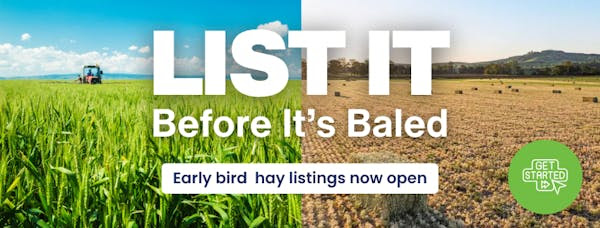
Early bird hay

In the hay industry, timing is everything. Most growers wait until the hay is baled, stacked, and shed-bound before even thinking about hitting publish on an advertisement.

But by the time that hay is in the bale, the market is often flooded with listings, and buyers are overwhelmed with choices.

At LocalAg, we believe the most successful season starts long before the mower hits the paddock. Here is why you should consider Early Bird listing and how to do it effectively.

The Early Bird Advantage: Why Start at Planting?

Listing your crop at the planting or vegetative stage isn’t just about being first; it’s about building a narrative and establishing trust.

  1. Reduced Competition: you aren’t competing with the harvest glut. Your listing stands out when the feed gallery is less crowded.
  2. Attract Proactive Buyers: serious buyers who plan their fodder requirements months in advance are looking for reliability, not just the lowest price.
  3. Build a Digital History: by updating your listing as the crop grows, you show buyers exactly what went into the product, from paddock condition to weather events.
  4. Ready to Convert: When demand suddenly spikes, your listing is already established, indexed, and ready for immediate sale.

How to Build a Powerful Early Listing

You don’t need a lab report or a final bale count to get started. Here is how to build your listing as the season unfolds:

Phase 1: The Foundation (At Planting)

Get the basics up early. You can keep the listing as a Draft until you’re ready, or go live immediately to start gaining visibility.

  • Crop Type: Identify if it’s Oaten, Wheaten, Lucerne, or Vetch.
  • Location: Help buyers calculate freight early.
  • The Estimated Window: When do you expect to cut?
  • The Story: Upload a photo of the paddock or the emerging crop. It shows the buyer that the hay is being managed professionally from day one.

Phase 2: The Growth Phase (Mid-Season)

As the season progresses, don’t let your listing go stale.

  • Progress Updates: Add a quick note about the mid-season condition.
  • Fresh Visuals: Replace or add to your paddock shots. High-quality visuals of a clean, healthy crop build immense buyer confidence.

Phase 3: The Quality Edge (Pre-Harvest)

This is where you move from interest to action. Through our partnership with Feed Central, you can upgrade your listing with professional Quality Assurance (QA) services:

  • Seed to Feed: An exclusive service available only for early bird listings.
  • On-Farm Inspection: Let a professional verify the volume and quality.
  • Feed Testing: Get the data that buyers crave.

Note: Your listing will show as “QA Pending” until the results are finalised post-harvest, signaling to buyers that quality is your priority.

Early hay listings give you the luxury of time. You have time to build confidence, time to adjust your strategy, and time to find the right buyer, not just the first one who calls.

List it early. Build it properly. Be ready when the market catches up.
Img5

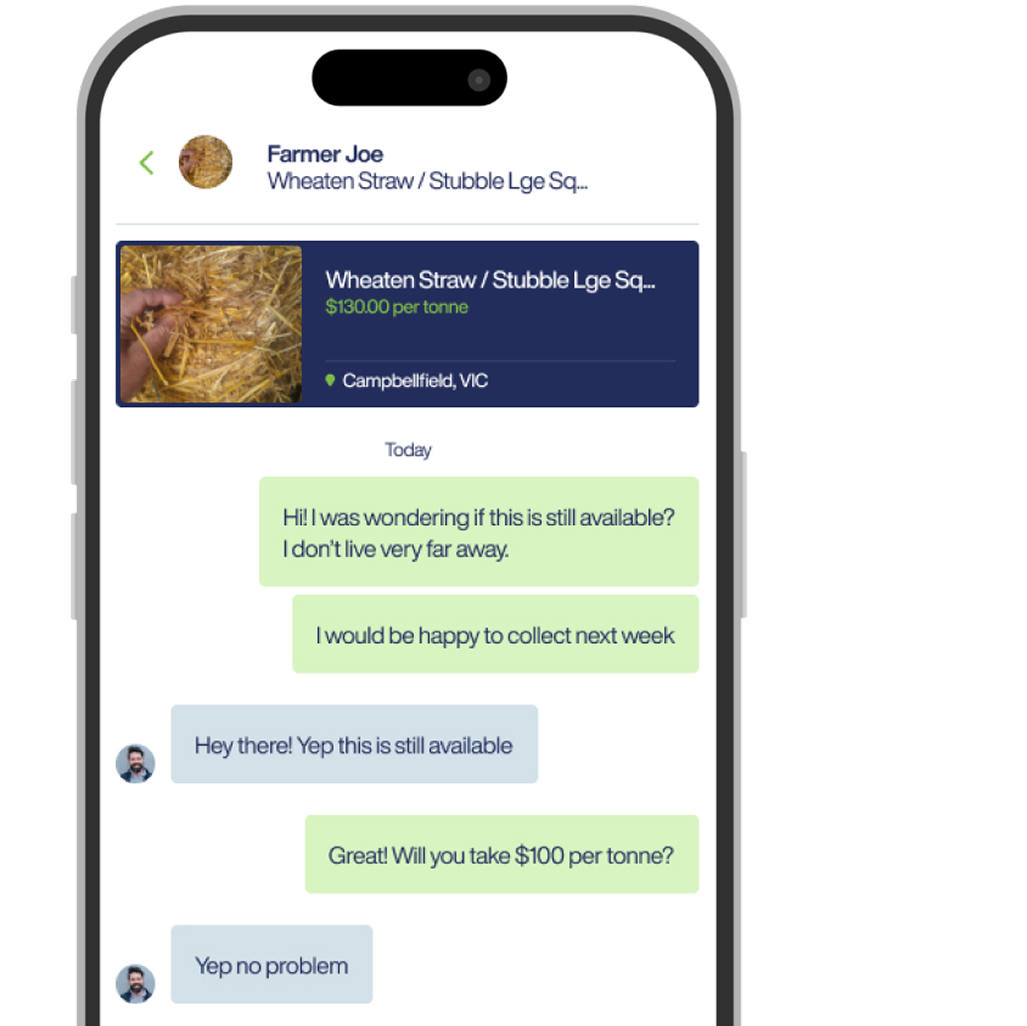
Join 2000+ farmers using the LocalAg App.

Stop waiting for buyers and worrying about payments. With LocalAg, you can list your farm products in minutes, reach genuine buyers, and get secure payments, all directly from your phone.